Table of Contents
This post may contain affiliate links to things like tours, hotels, Amazon associates and products. These help me earn a small commission at no additional charge to you.
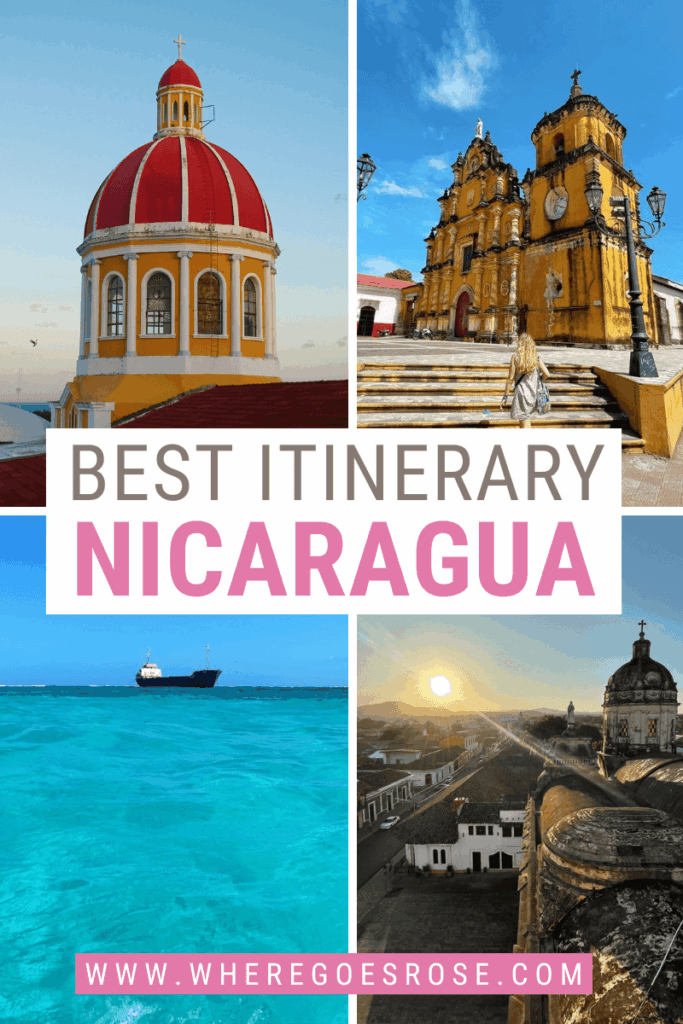
I had the best time travelling in Nicaragua and can’t wait to share my itinerary so you can also get the best from this magical little country in Central America.
I visited as part of a multi-month backpacking trip, arriving from El Salvador and departing for Costa Rica. Whether you do the same (or the reverse route) or simply visit Nicaragua as a stand-alone trip, this itinerary will help you plan an unforgettable trip.
Some of the reasons I love Nicaragua include:
- Spectacular nature – there are SO many striking volcanoes and islands, plus the chance to see wildlife including monkeys, agoutis and birdlife
- Adrenaline activities – ok, I’m actually not much of a daredevil (though I do love to hike) but adrenaline junkies will love the chance to volcano board, plus there are more chilled activities like kayaking and surfing
- Beaches and sunsets – from the east coast to the Corn Islands, it’s not hard to get your beach fix
- Pretty cities – although not my absolute favourites in Central America (Antigua in Guatemala holds that title), there are some pleasant hubs such as Leon and Granada where you can take free walking tours to learn about the culture, architecture and cuisine.
Read next: solo female travel in Nicaragua – safety tips & more
Corn Islands – to include them or not?
There’s two elements to this question. Are the Corn Islands worth visiting? Absolutely!
Are they worth visiting if you only have two weeks in Nicaragua? I would say not. Getting there is time-consuming so you’ll want to stay more than a few days, which will be tricky when combining the main attractions on the mainland.
If you have 3 weeks or more, I’d recommend including the Corn Islands in your Nicaragua itinerary. With less time, it’s too tight a squeeze, in my opinion, especially if you plan to take the longer bus and ferry route (rather than flying).
Want more Central America itineraries:
Should you include Managua?
Unless you land very late or know you’ll be exhausted after an overnight flight, I would push through and travel elsewhere. Managua isn’t the greatest destination in Nicaragua: there’s not much to do, and some areas aren’t the safest.
Shuttles to Leon and Granada depart directly from the airport; no need to visit the city’s bus station.
I nearly managed to avoid Managua but the issue with any Nicaragua itinerary is that there’s no circular route. To visit the Corn Islands, I had to stay overnight in Managua as my flight was early the next morning. After the islands, I had a long journey to Costa Rica so I stayed again in Managua to depart early the following morning.
If you DO visit Managua, I recommend staying in District I. I stayed at La Bicicleta hostel close to decent restaurants, cafes (such as Buenas Vibras) and supermarkets. It’s safe to walk around, including as a solo woman, but you can use taxi apps for longer journeys, such as to the airport.
Basically, don’t PLAN to visit, but it’s safe enough if you need to.
Getting to Nicaragua
By air: Most travellers will fly into the capital, Managua, via Augusto Cesar Sandino International Airport. If you’re staying overnight and don’t have a taxi to your accomodation booked, use Ray App or InDrive (cash only).
Need a SIM card? I found that in most Central American countries, including Nicaragua, Claro was the best operator for physical SIM cards. You may want to download an e-SIM in advance, however. These are usually more expensive but undeniably handy in getting online as soon as you land. I like Airalo; see their Nicaragua packages from $6.50.
By boat from El Salvador: this is what I did because I couldn’t take a shuttle through Honduras since they had recently closed entry to Brits without a visa. To travel directly from El Salvador, I was picked up early by a shuttle that took me to La Union, where we boarded a boat before a final shuttle to Leon.
However, most travellers can easily access Honduras so can choose between this option and a land shuttle which goes through Honduras. This does mean more border crossings and time in a van, whereas the boat trip is more scenic.
I would not recommend using Gecko Trails for shuttles as I found them unreliable and uncontactable when I needed to change my dates due to illness. Ask your accommodation to recommend a different vendor.
Getting around Nicaragua
The main ways to get around are:
Shared shuttle – if you can budget around $20 per journey, this is an easy and convenient way to get around. In the hot months, you’ll be so grateful for the air con. They take you door to door, and can be booked through your accommodation or via Bigfoot. No need to go anywhere.
Chicken bus – the budget way to travel is more cramped, sweaty and ‘adventurous’. Tickets can cost a tenth of the shuttles, however, so it may be worth it if you’re on a budget. Be aware the driving standards can be quite crazy!
Private taxi – generally costing four times more than a shuttle, this could be an option if you’re travelling in a small group.
Flight – to the Corn Islands, you’ll need to take an internal flight.
Scooter – hiring a moped is a good way (and basically the only way) to get around Ometepe Island.
Nicaragua itinerary
Here’s how I recommend spending two weeks in this spectacular country!
Days 1-2: Leon
I recommend spending around 2 days in Leon because it’s fairly small but offers some fun activities and excursions. It’s especially famous for the legendary ‘volcano boarding’ which will make adrenaline-junkies go mad, and scaredy cats like me freak out!
I suggest one day doing a free walking tour and generally enjoying the city, and another doing volcano boarding or another excursion into nature if that doesn’t appeal.
The city has some fantastic murals showing Leon’s rich and complicated political history that you’ll learn about during a walking tour.
Things to do in Leon (for a city day) include:
- Take a free walking tour – for example, this one on Guru Walk. The guide, Alejandro, was friendly and knowledgeable, and we even got free food at the local market!
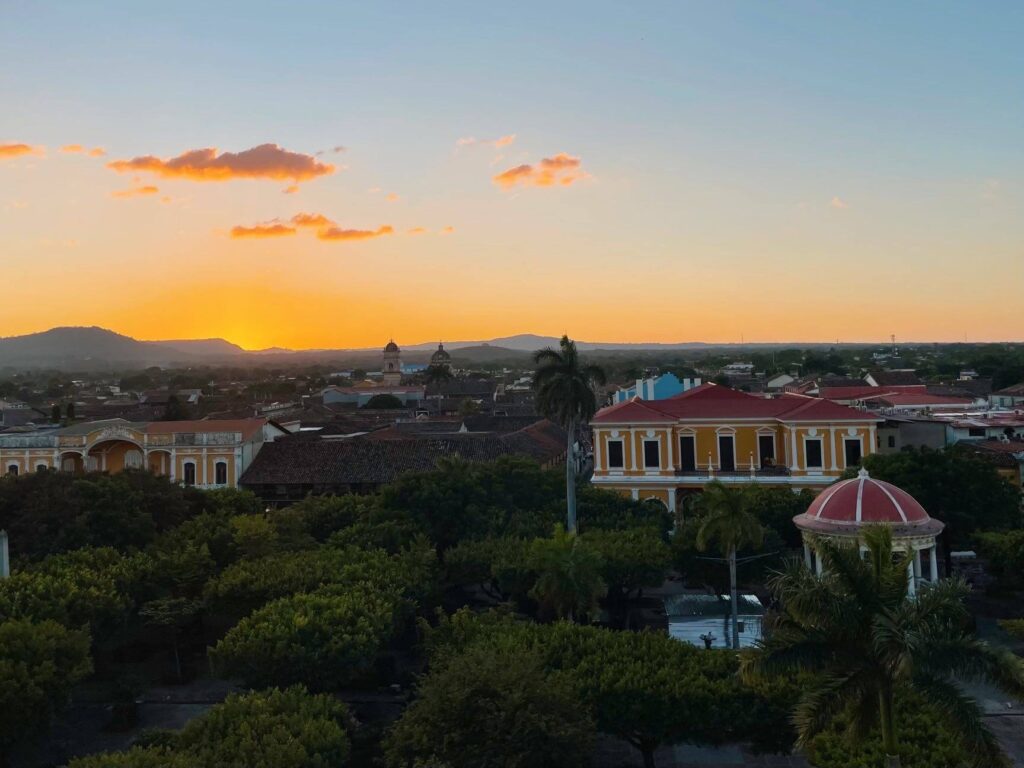
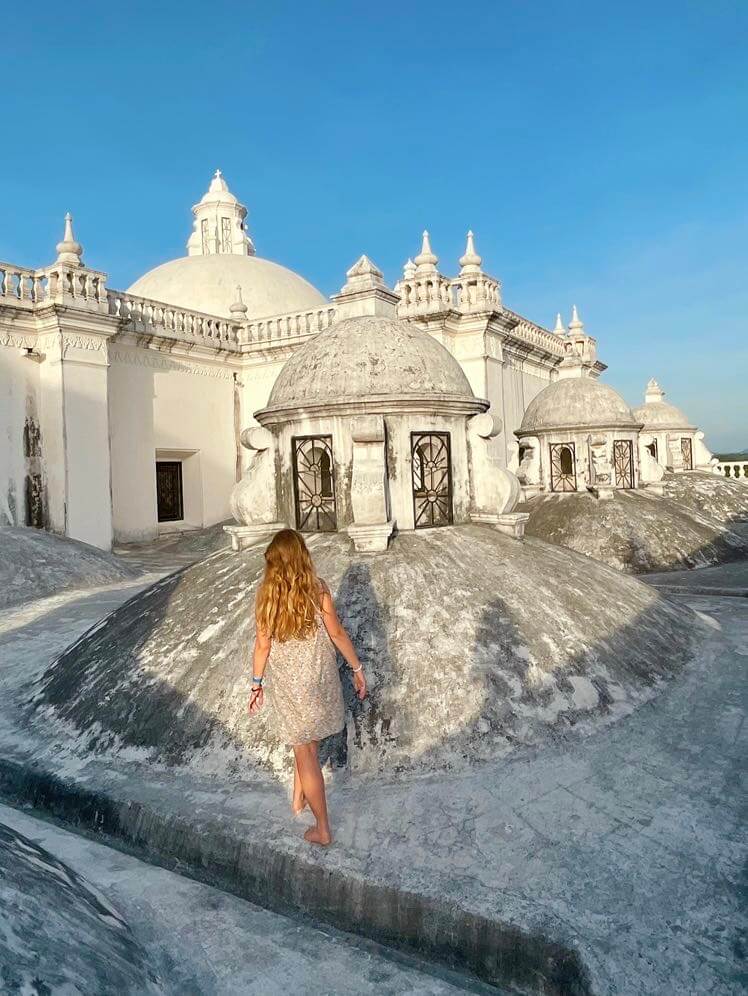
- See sunset from the cathedral roof (Basilica of the Assumption of the Blessed Virgin Mary). There’s a small fee of $4 and, after climbing two flights of stairs, you’re rewarded with the best views.
- Shop and eat at the Central Market – here you can try local fruits, sweets, cheeses, drinks and even something described as a ‘pre-Hispanic energy bar’ (basically amaranth with honey and seeds).
- Visit Iglesia de la Recolección, a sunny yellow church worth a quick visit.
- Have a sundowner at El Mirador – the range of drinks is nothing fancy but the views are seriously special.
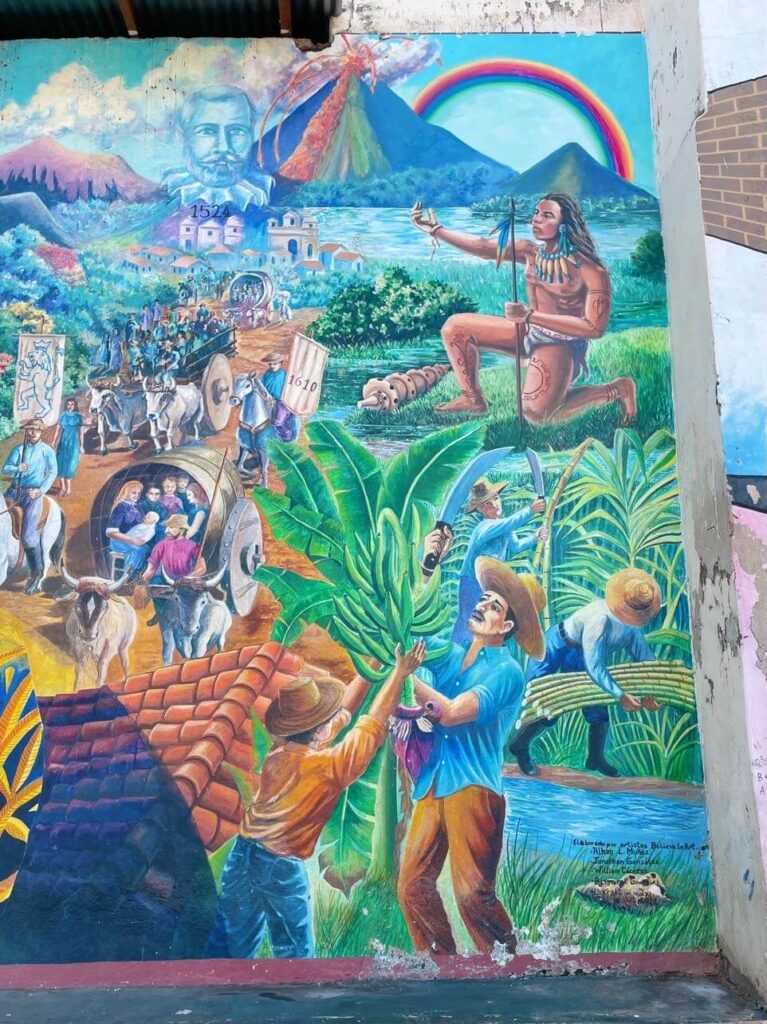
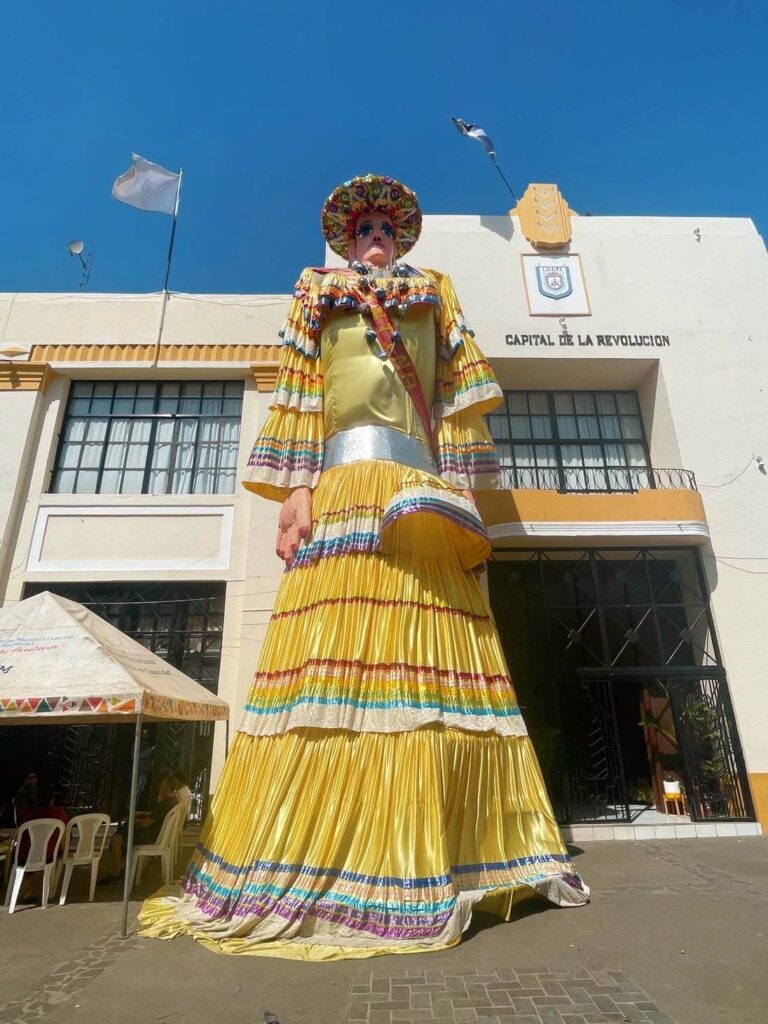
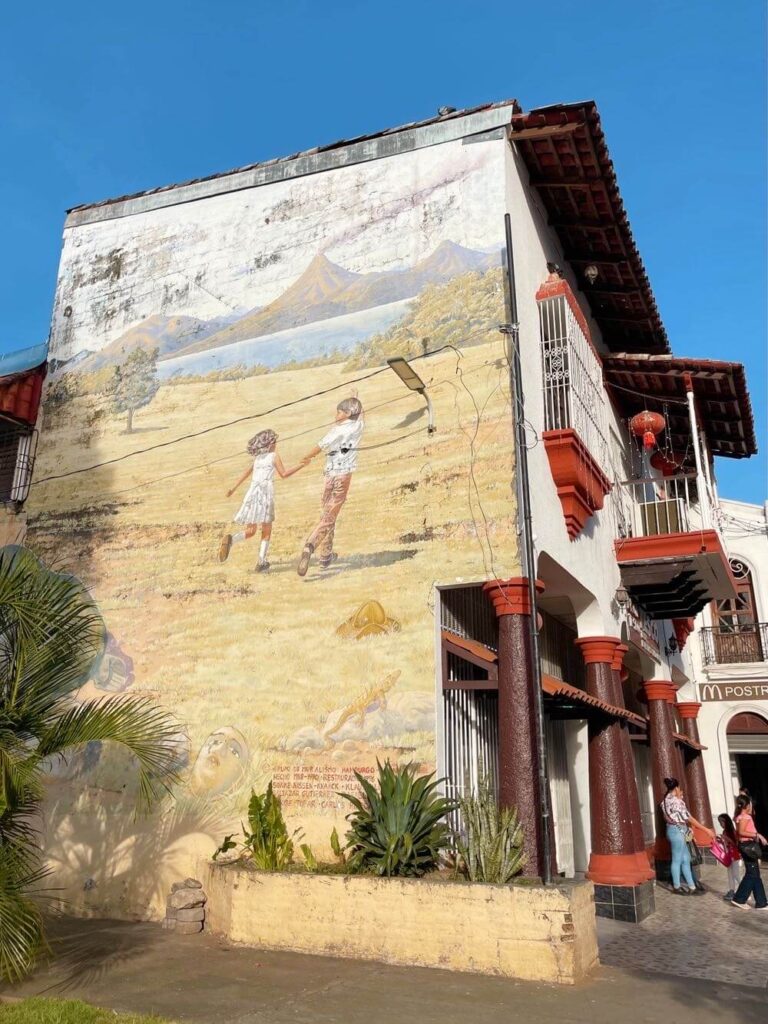
Getting to Leon: This was the first stop of my Nicaragua itinerary after arriving by boat and bus from El Salvador. Shuttles will pick you up from anywhere in El Salvador and, after a boat ride, bring you to Leon.
If you’re coming from Managua airport, the easiest option is a shared shuttle ($20) directly from the airport to your accommodation, or a much cheaper chicken bus via the city bus station.
Volcano boarding
You’ll meet people who have travelled to Nicaragua exclusively for the iconic sport of sandboarding, invented years ago by an Australian traveller. It takes around 1 hour to trek up the volcano (Cerro Negro) and a matter of moments to fly down!
The main companies offering sandboarding are Volcano Day and Bigfoot (also a hostel). It costs around $25 in the day or $35 for sunset – the latter is highly recommended! All your equipment and board hire is included.
Alternatives – if volcano boarding doesn’t look like your thing, consider hiking other volcanoes: El Hoyo volcano with its famous sink hole, Telica (the most active in Nicaragua) or San Cristobal (Nicaragua’s second-highest). Companies generally offer daytime hikes, sunset hikes and camping expeditions.
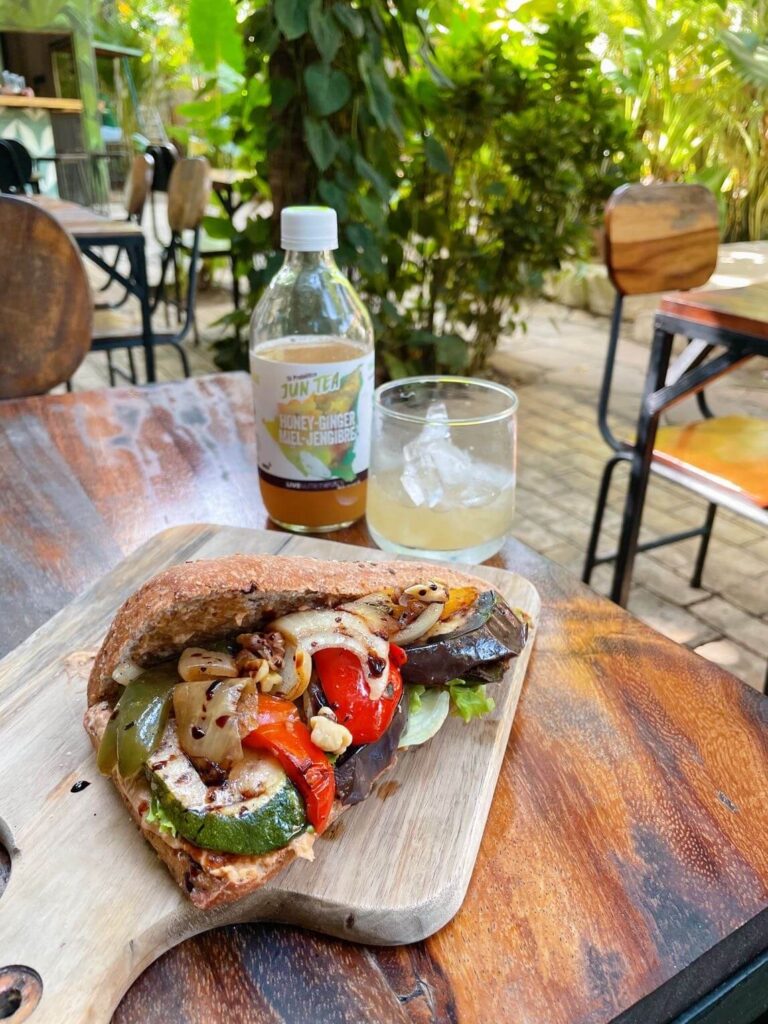

Where to eat and drink in Leon:
- Coco Calala – fresh vegetarian food within a beautiful venue with a swimming pool.
- Mañana Mañana – the best place in town for speciality coffee, plus breakfast dishes, sandwiches, salads and burritos.
- Pan & Paz – this French bakery has amazing treats!
- Monchos – excellent burgers might be what you want after a volcano hike.
- Don Jack’s – hearty dinner choices including meat, fish, coconut curries, burgers (beef, fish and chicken) and vegetarian dishes.
Where to stay in Leon:
- Hostel – Big Foot is your classic party hostel specialising in volcano boarding day trips.
- Hostel – if party hostels aren’t your thing, try Poco a Poco Hostel with beds from $12 a night. I stayed here and perks include the friendly staff who’ll help book your activities and excursions, a small pool, a clean kitchen area and breakfast and coffee packages for 60 Cordobas ($1.50).
- Hotel – Fuente Castalia / Casa Abierta are both well-rated, affordable options in the city centre.
Extra day trip option – Las Peñitas. Just an hour’s bus ride from Leon with regular bus connections (or a shuttle with Big Foot Hostel) is this tranquil beach town with great surf. If you prefer a quieter option than busy beach towns like San Juan del Sur, this could be the place for you.
Many people visit as day trips (via bus or shuttle from Leon) but there are hostels and hotels where you can stay overnight. For backpackers, you can’t do better than Casa Bambucha with dorms from $7 and privates from $20.
Days 3-4: Laguna Apoyo
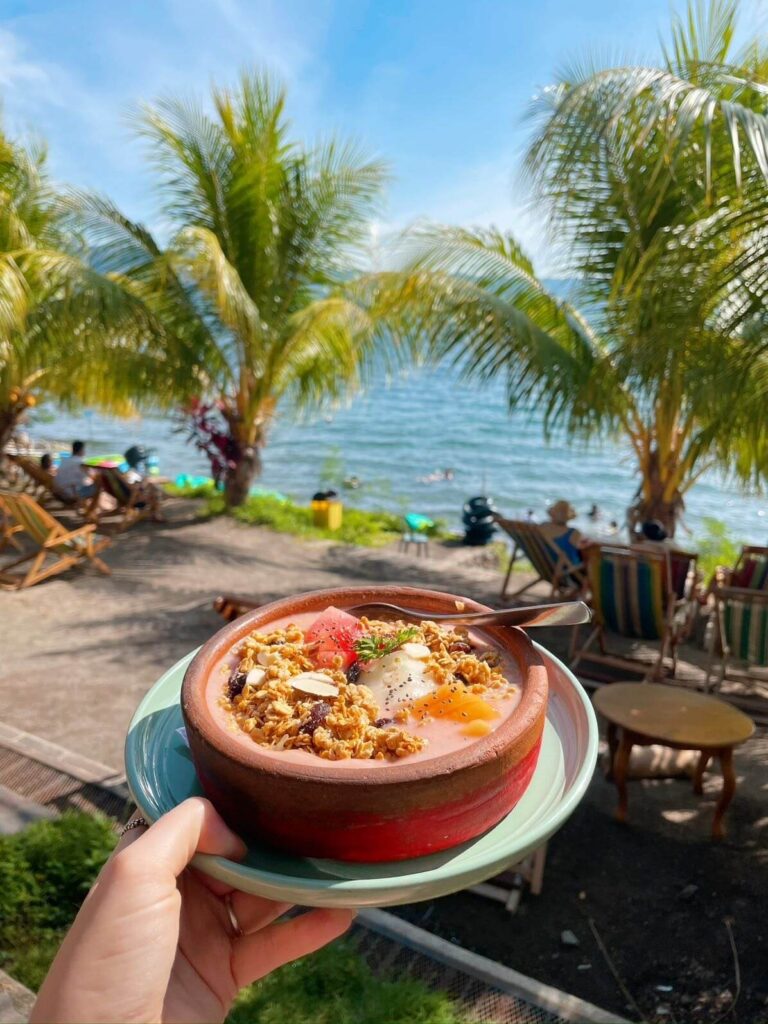
Unlike Laguna Ometepe which had been on my radar for years, I’d never heard of this lake and only decided to visit on a whim when already in Nicaragua. I’m glad I did!
I’d suggest including Laguna Apoyo in your Nicaragua itinerary where you’ll likely need a break since the main activity is swimming and lounging beside the beautiful clear waters (although there’s also kayaking if you’re feeling active). It’s the cleanest lake for swimming in the country.
Spend a night or two at Paradiso, a resort right on the banks that caters to everyone from local families to foreign backpackers thanks to its range of accommodation options including dorms. I paid $18 a night including breakfast and kayak/SUP hire.
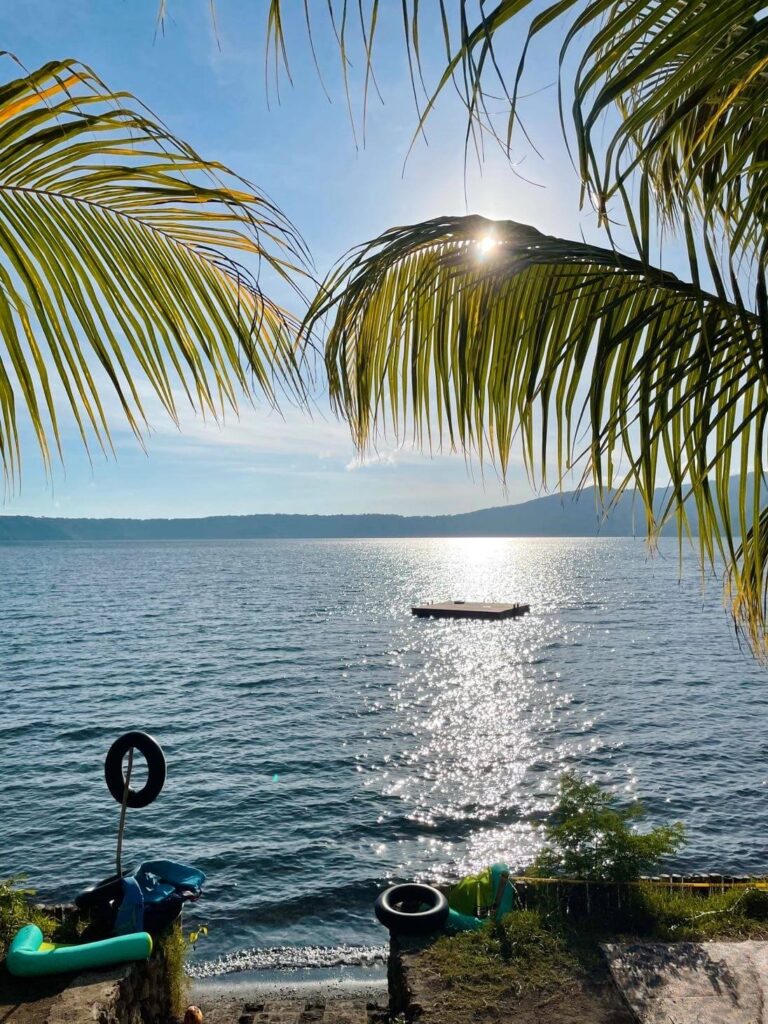
Another option is a day trip from Granada; the day pass for Paradiso costs $7 or you can pay $20 including return transport with the venue’s shuttle. But the venue gets busy so I liked staying overnight and using the facilities when the day trippers weren’t around!
(Food at the resort is nice but expensive, however I can recommend the local comedor just across the road for jalapeño chicken and the freediving school up the road for coffee and cake).
Itinerary consideration: 1-2 nights is enough depending how much time you want to spend relaxing because there’s not much to do (unless you want to try freediving with Freediving Nicaragua). After visiting, catch the morning shuttle to Granada for city sightseeing and sunset kayaking the same day.
Days 5-6: Granada
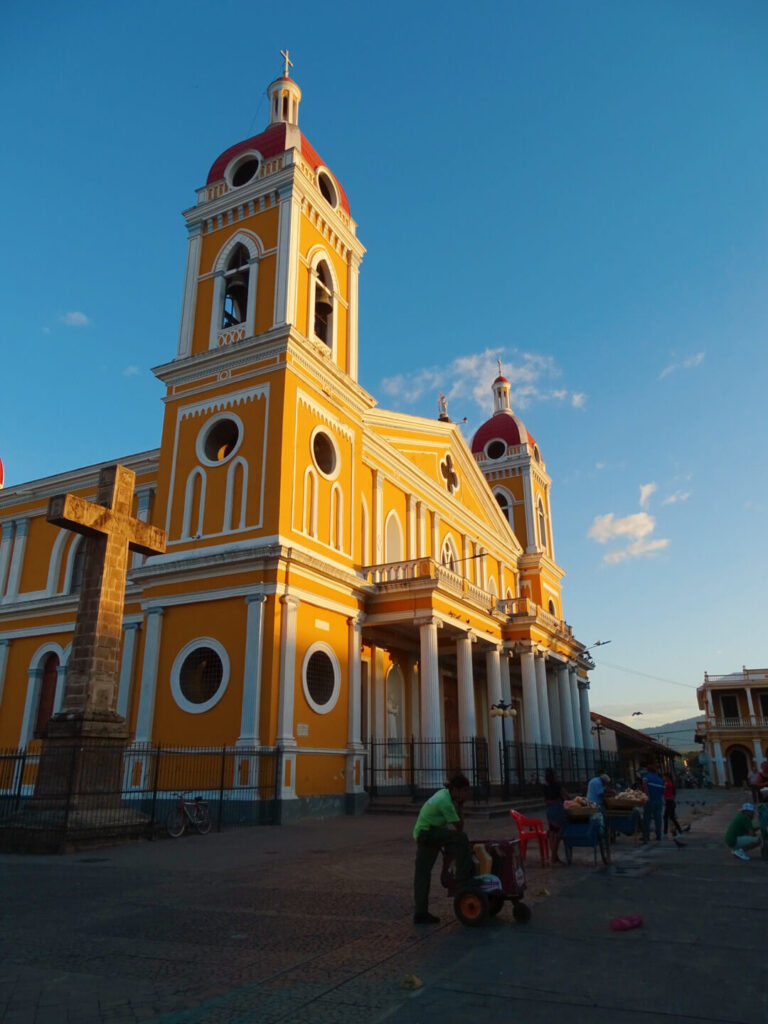
The other main colonial city in Nicaragua, after Leon, is pretty Granada. I slightly preferred it as I found a bit more to do (especially the sunset kayaking), however other travellers said they preferred Leon, especially adrenaline types who loved the volcano boarding.
If your Nicaragua itinerary allows, visit both.
What to do in Granada:
- Visit the fiery crater of Volcano Masaya – sadly I didn’t go as the viewing platform is closed due to overactivity in 2025, hopefully it will open again in the future as it looks fantastic!
- Hike up Mombacho Volcano for sweeping vistas – sadly, we had cloudy views but I still enjoyed walking through the misty forest and spotting wildlife. You can visit by public transport but it’s limited so I recommend a tour: either to the top or including an extra hike (along a road so not especially beautiful, however).
- Sunset kayaking on the 365 islets on the lake – including kayak hire, transport and a fresh coconuts. We saw beautiful nature and learnt about how the islands are used and lived upon by the locals. Book a tour for $30.
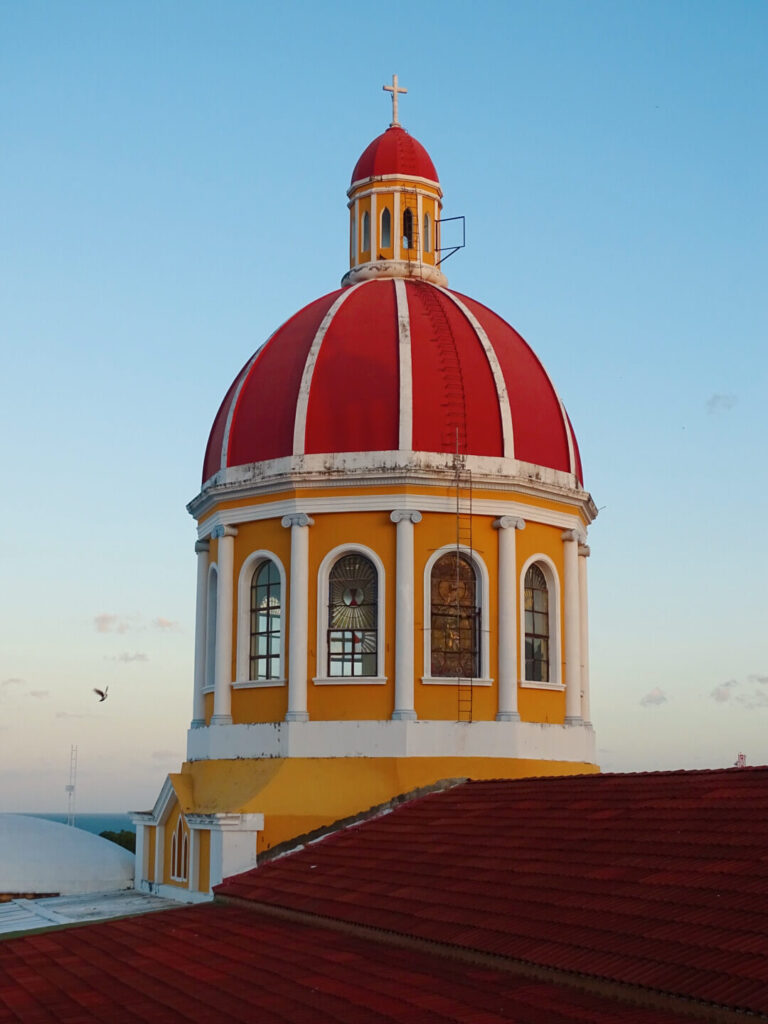
- Sunset from the clock towers – both the Immaculate Conception and Our Lady churches offer access to a viewing platform for a dollar or so. If you’re quick, you can do them both in one evening.
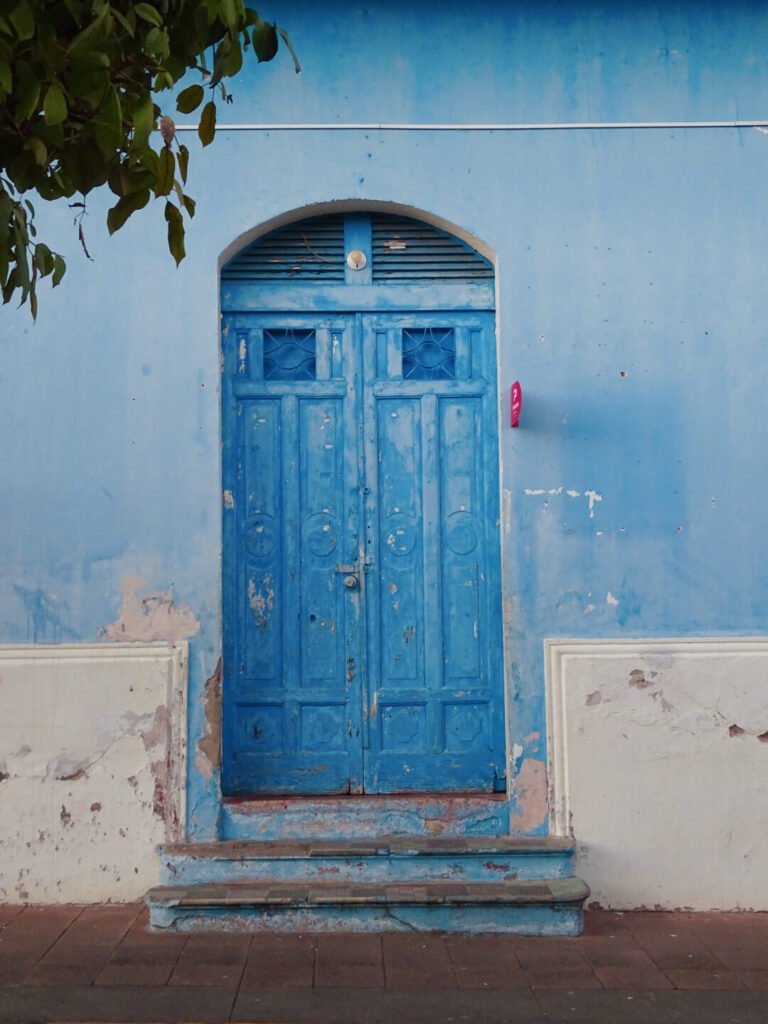
Where to stay in Granada:
- Hostel – Boca en Boca includes free coffee and breakfast (eggs and beans or banana pancakes depending on the day), a decent kitchen and free yoga mat use. Beds from $11.
- Hotel – Lola’s Boutique / Hotel Cordoba.
Where to eat: don’t miss the famous Banana Burger in the market serving meat or veggie patties between fried plantain ‘buns’ (even Ewan McGregor has been!). Visit Garden Cafe for brunch and cake and Comedor Doña Tulita for a cheap, authentic dinner in a local home.
Getting to Granada: from Laguna Apoyo, where I’d been before, it was a quick 1-hour shuttle. Expect to pay $20 in a shared shuttle from Leon or Managua airport.
Days 7-10 (or more): Isla Ometepe
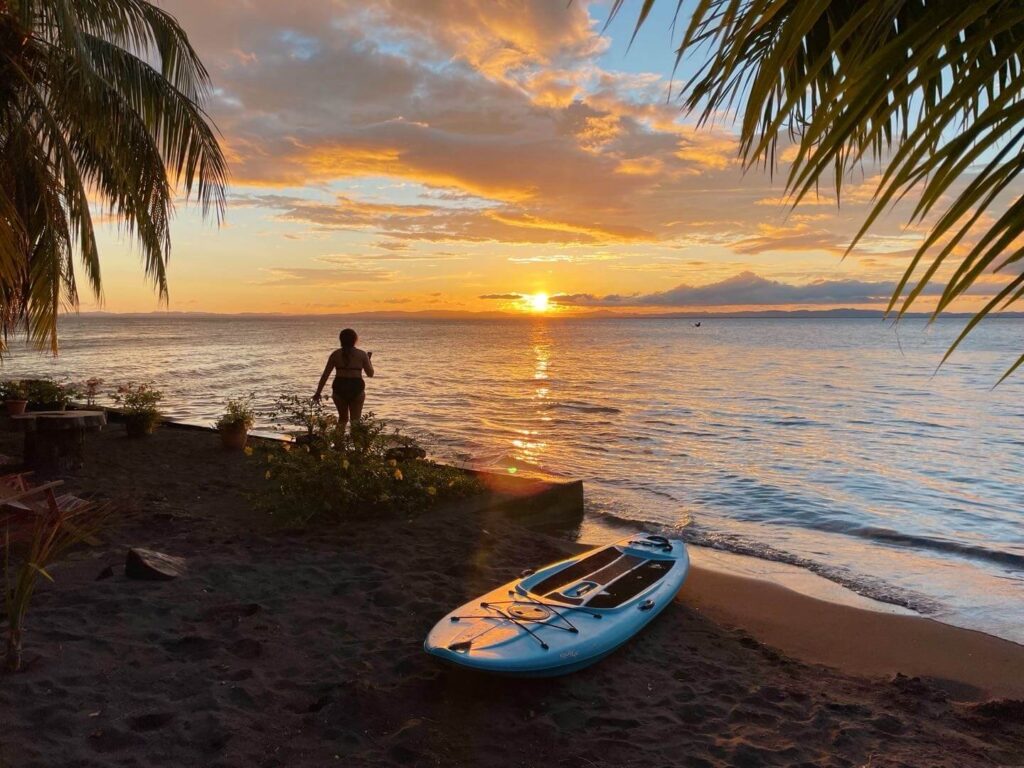
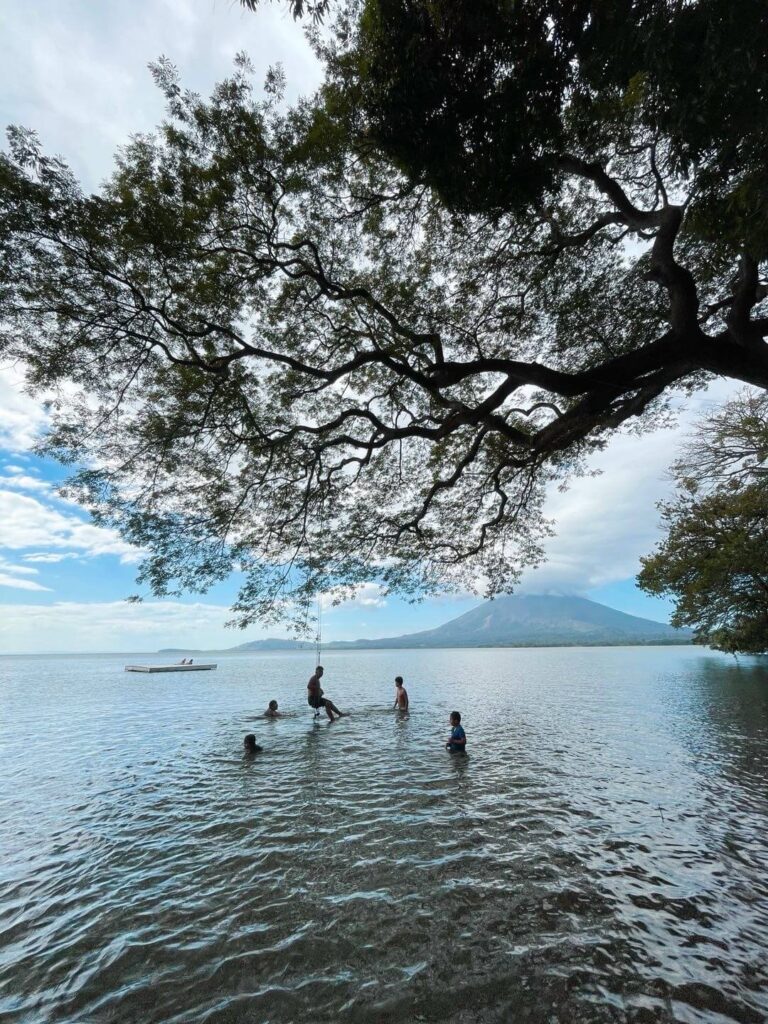
My favourite place in Nicaragua! This sleepy island on Lake Cocibolca, created by ancient volcanoes, is a spectacular place to while away time.
I love how local the island feels wth barely any signs of the modern day. From evening fireflies to stunning sunsets and beautiful nature including waterfalls and extinct volcanoes, there’s plenty to keep you busy over a few days or longer. I met travellers who got ‘stuck’ for months and I can see why!
Don’t expect any foreign chains or modern comforts. Instead, go off-grid and unwind.
The only downside is getting around if you’re not keen to drive a scooter. As a solo traveller, I ended up hiring a scooter AND driver for the day which only cost $35, just $20 more than hiring a scooter by itself (from Willy’s rentals near the pier in Moyogalpa; message them on +505 86418031). There are also buses but schedules are limited.
Getting to Ometepe
Take a $1 ferry from San Jorge, a port connected to the town of Rivas (a 10-minute drive away) on the mainland.
Rivas can be accessed from other places in Nicaragua by local bus or tourist shuttle. From Granada, I opted for a shuttle (there’s also the option of a cheaper chicken bus then a local taxi) but afterwards, when I was heading to Managua, I took a bus that was $2 rather than a $30 shuttle.
What to do on Isla Ometepe
- Spot monkeys and agoutis at Charco Verde nature reserve
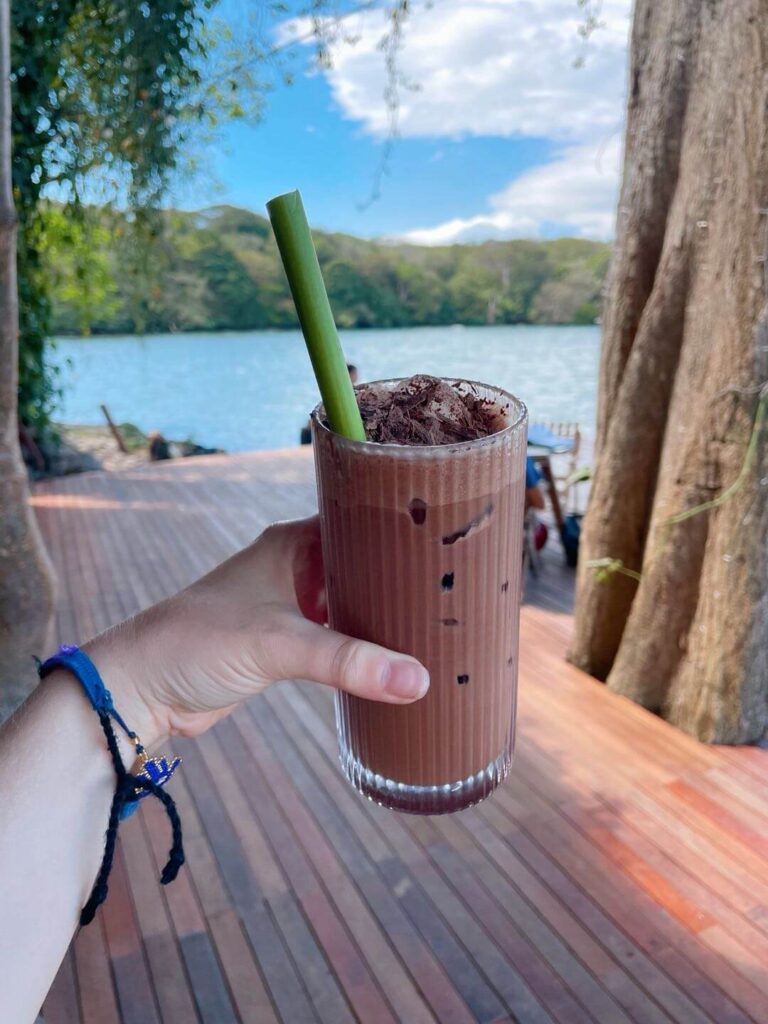
- Visit El Pital chocolate paradise for workshops or simply sip iced cacao and rich chocolate desserts on the decking area with lake views
- Swim at Ojo de Agua – a natural swimming hole in nature. However, I found it quite touristic with an expensive entry fee ($10 although this includes a $5 voucher for the cafe) so this could be skipped, depending on your budget
- Hike Volcano Conception – I decided against this hike as bad weather was scheduled (and I hear it’s pretty tough) but I met people who said they were glad they’d done it
- Wash in San Ramón Waterfall after a hot 2km hike. Entry costs 100 Cordobas with an extra fee for parking your scooter.
Sunset spots: a popular spot is Playa Mangos; just buy a drink to enjoy the beach area and take a dip. However, a hidden gem I found and preferred was Puesta del Sol near Moyogalpa, run by a local family. There are hammocks, a beach and drinks from $1.
Where to stay:
- Hostels in Moyogalpa (town near the pier) – I opted to stay here as it felt most convenient without my own vehicle. I opted for Nomadas hostel and also heard good things about Hostal Mirador La Chaguita.
- More social hostels are located around the Magdalena area including Raindance and Tiki Hostel. It’s easy to take a taxi from the pier in 40 minutes.
- Hotels – private rooms at Finca Mystica / Cabaña el Ojoche (apartment).
Days 11-13: west coast beaches
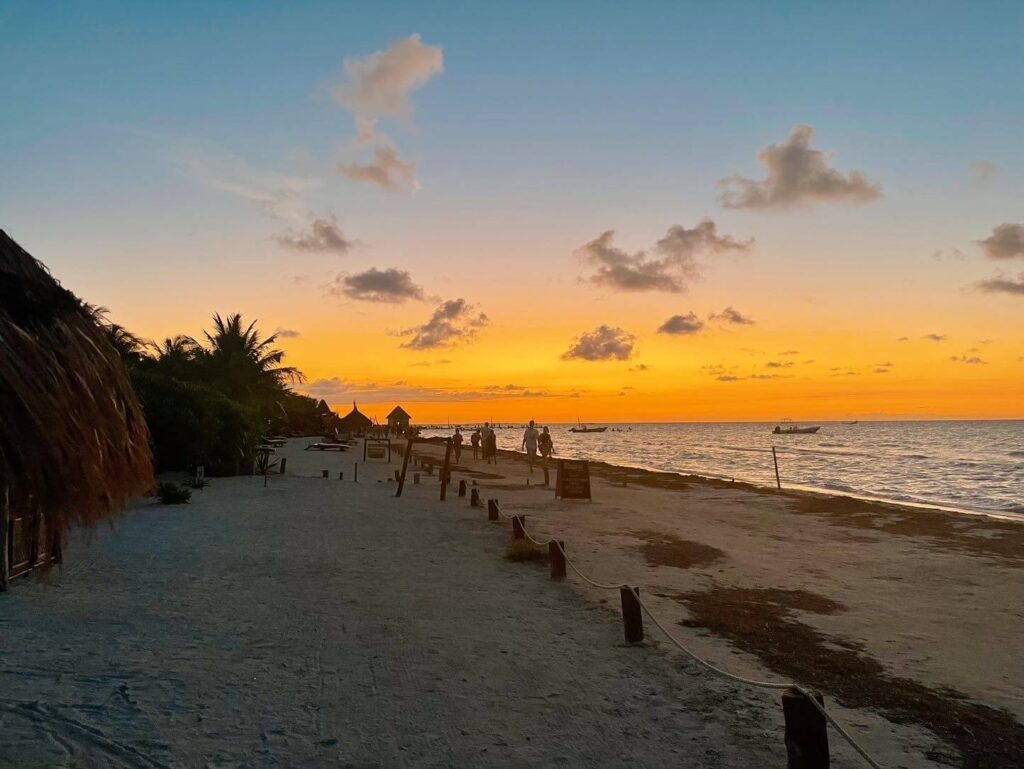
Finish a 2 week Nicaragua itinerary with some beach time, or take a break before heading back to Managua and flying to the Corn Islands for a 3 week itinerary.
Option #1: San Juan del Sur
Surf, party, sleep, repeat! San Juan is the most popular beach town in Nicaragua known for the famous Sunday Funday party, worth timing your trip around (if that’s your bag).
There are a few other things to do such as horseback riding and hiking to the hilltop Christ the Redeemer statue. However, if partying and surfing aren’t your thing, there are better places to visit on the coast such as…
Option #2: Popoyo
The antidote to busy, party-focussed San Juan is this idyllic town that, a few years back, was little more than a fisherman’s village. Now, hostels and surf schools are popping up yet it’s retained its charm. And those sunsets will never change!
Both San Juan and Popoyo have regular transport connections to Rivas in around 1 hour. To arrive from Ometepe after taking the ferry to San Jorge, ride a 10-minute bus or taxi to Rivas where transport connects to the beaches.
Days 14-20: Corn Islands (for a 3 week Nicaragua itinerary)
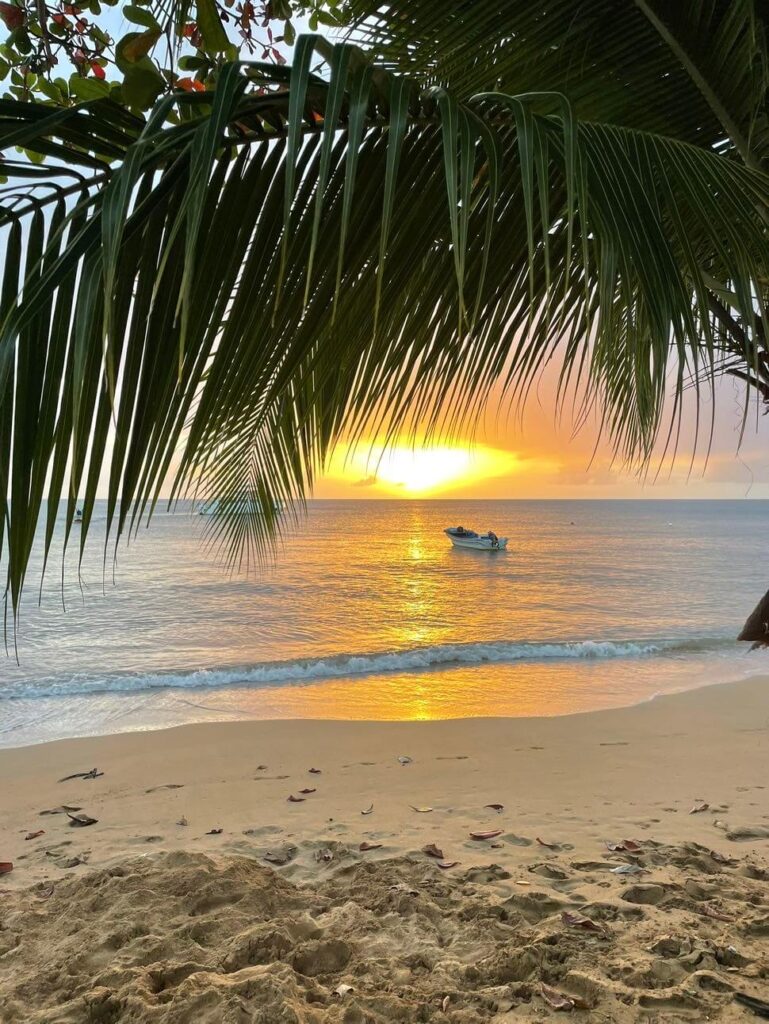
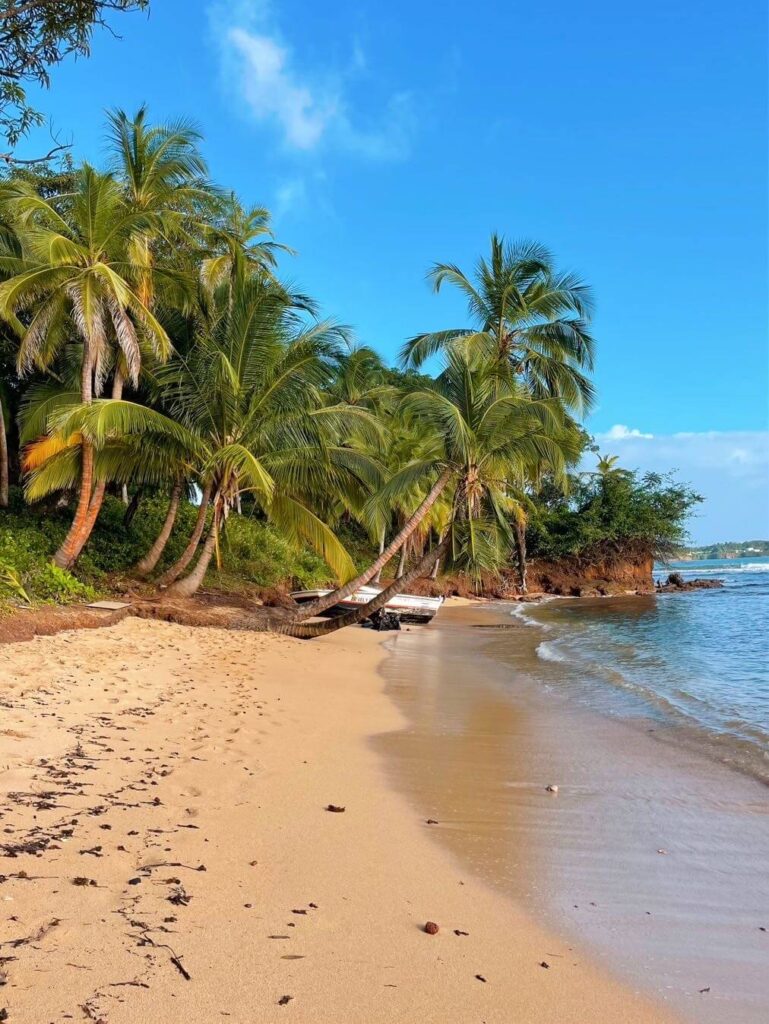
I’ve already called Ometepe my favourite place in Nicaragua but the Corn Islands are a close second! They’re indicative of the diversity of Nicaragua: relaxed, paradise islands with Caribbean culture. In particular, Little Corn (the smaller of the two) is refreshingly relaxed and undeveloped without cars or roads.
With excellent snorkelling and diving, you can balance activities with lounging on the beach, sipping rum cocktails and eating famous banana bread.
They’re one of the key places in Central America to experience Caribbean culture alongside the Belize island, Bocos del Toro in Panama and the west coast of Costa Rica.
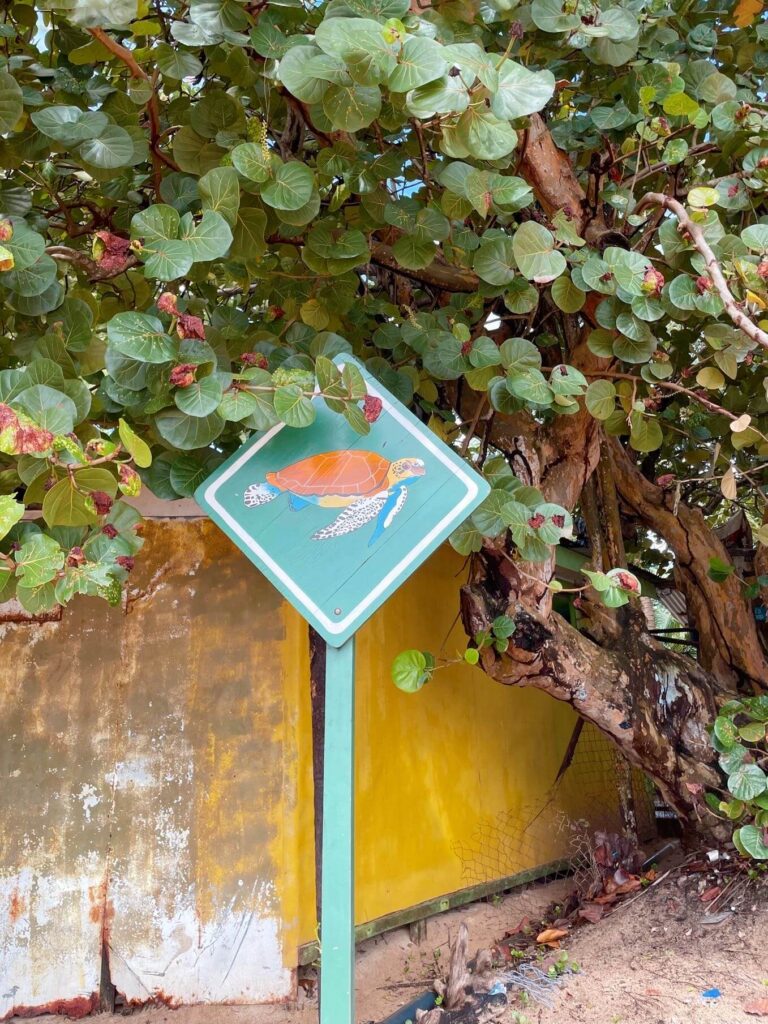
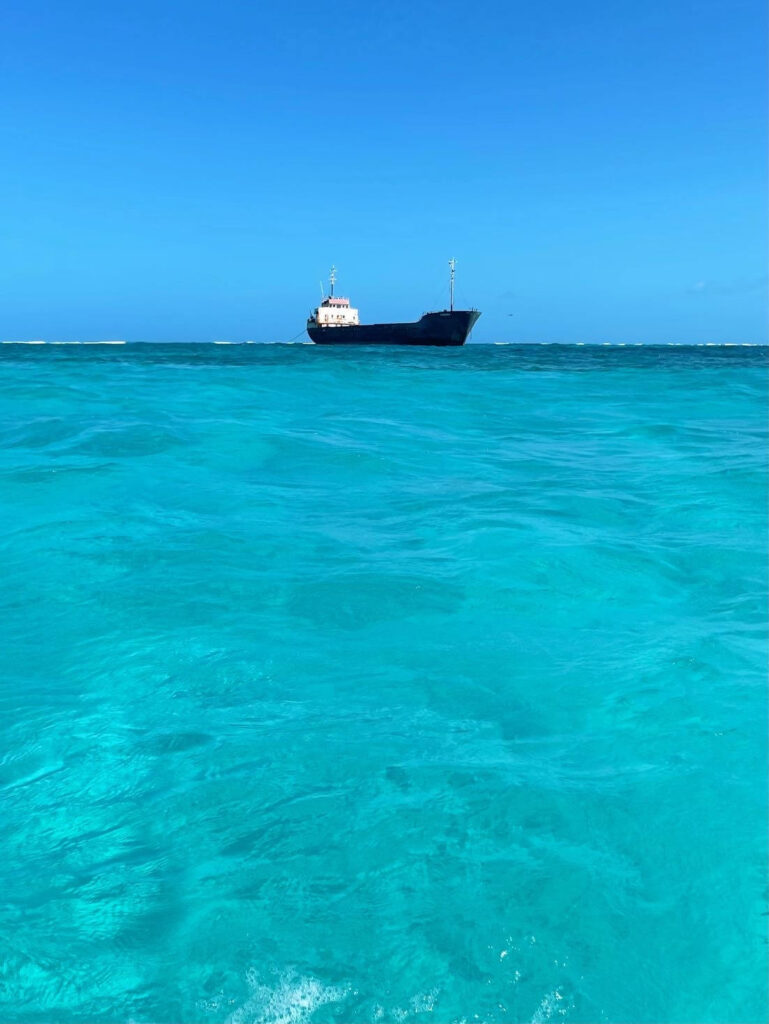
Big Corn or Little Corn? You’ll arrive on Big Corn but many choose not to stay overnight. Generally, it has more of a ‘vacation’ vibe while Little Corn is popular among backpackers and relaxed travellers.
There are taxis and roads on Big Corn but none on Little Corn. However, you don’t have to walk far unless you choose accommodation on the windy side of the island.
Getting to the Corn Islands
- By air – the easier option. Flights with La Costeña Airlines depart Managua daily and take around 90 minutes, in a tiny plane, to reach Big Corn. Expect to pay $200 return including bags.
- By boat – the longer, cheaper option involves taking a long day bus from Managua to Bluefields and staying overnight at the port. Time your trip around the twice-weekly ferry to Big Corn but know it’s often cancelled with no notice due to weather conditions. Expect to pay about $35 return including the bus and ferry.
Note – I got charged for oversize baggage on the way out as the flight only includes around 12kgs. One option is to leave your luggage at your accommodation in Managua if you plan to stay over on each side. My hostel charged $5 per week for storage.
Getting from Big Corn to Little Corn: take the 4.30pm ferry for around $10. From Little Corn to Big, there’s a 6.30am ferry. These times are convenient if you don’t plan to sleep on Big Corn, allowing you to arrive and depart by flight the same day. The airport is a $1 ride from the port.
Things to do on Little Corn Island:
- Snorkelling – organise tours for around $25. The waves were crazy when I went and we had a ‘what are we doing moment?’ when jumping in, but all ended well!
- Diving – your best bet to see hammerhead sharks. Go with Dolphin Dive
- Visit beaches like Otto’s Beach (at the northern tip of the island, accessed by a muddy hike) and those on the west coast with gentle waves and lovely sunsets. The East Coast is best avoided as it’s VERY windy
- Do yoga at the Little Corner – send a WhatsApp message to Kelly on +505 57414296 then attend a class at her lovely studio on the tip of the island.
Where to eat & drink:
- Tranquilo Cafe – the veggie burgers and coffee are great, but this place is also the social hub of the island with live music and events like quiz nights. Another reason to visit is that it’s one of the few places with Wi-Fi and power throughout the day.
- El Bosque – slightly away from the main area but en route back to the windy side of the island where I was staying, this was my favourite restaurant. A whole lobster with sides costs just $12 (and other fish dishes are cheaper) and they always give you a free dessert.
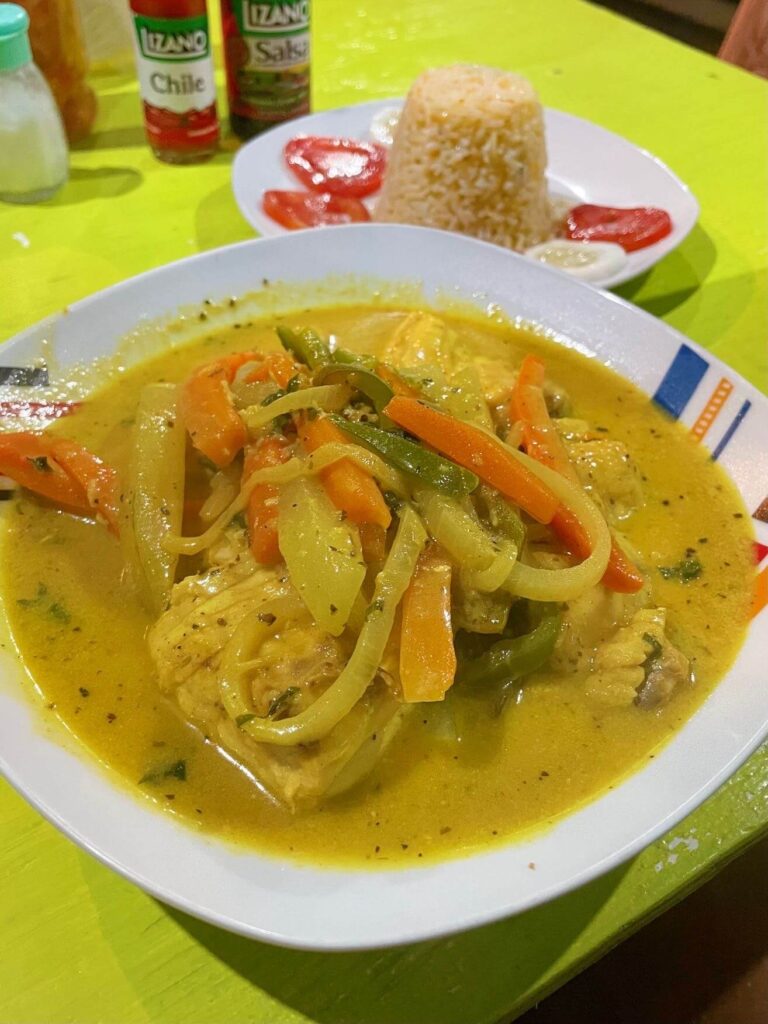
- Melissa’s Restaurant may have a modest exterior but it’s excellent for fresh seafood including their speciality, Caribbean coconut fish curry. Delicious!
Little Corn Island must-knows – there’s no power (which also means no internet) from 6am-1pm so charge your devices accordingly. There are no ATMs on the island but Tranquilo offer cash back with a fee if you get stuck.
Where to stay on Little Corn: the west side of the island is best to avoid high winds on the east side. West is also best when leaving on the early morning ferry as it’s close to the port.
I originally stayed on the windy side and didn’t love the walk in the pitch dark after dinner, but luckily the staff at my accommodation did send someone to meet us from the ferry and help with our bags on arrival. Overall, though, I recommend the west side!
- Cool Spot did the job for my first few nights with a private room for just $15 but it’s fairly basic and on the windy side.
- On the west side, try Little Dream House or Christina’s.
Leaving Nicaragua
One important thing to note if you’re visiting the Corn Islands last is that flights are sometimes delayed or cancelled so don’t plan too tightly around your exit flight. If you’re worried, one option is to visit the Corn Islands earlier in your Nicaragua itinerary.
Wherever you end your trip, you’ll need to get back to Augusto C. Sandino International Airport if you have an exit flight. It’s easy to get shuttles directly to the airport from most tourist hubs in Nicaragua. If you’ve stayed overnight in Managua, use RayApp or InDrive to call a taxi (cash-only).
Headed to Costa Rica next? So was I. One option is the Nicabus or Ticabus all the way to San Jose.
However, if you want to visit the north of Costa Rica first and travel down, it’s more complicated. I rode the Ticabus from Managua over the border (where I changed some money) to the town of Cañas then took a local bus to Tilaran where I crashed overnight (at Playa Tila hotel) because I’d missed the last bus of the day to Monteverde. A mission!
Travel insurance recommendation
I never travel without insurance and you shouldn’t either! Especially in Nicaragua where flights to the Corn Islands are often cancelled due to bad weather, it’s extra wise to be covered.
I recommend True Traveller which I use myself. I pay around £30 (€40) a month when getting a year’s plan. As well as pre-existing health conditions, they’ll cover you if you’re already travelling and/or don’t yet have your flight home booked. The claim process is easy; I’ve done it twice and received the money within days. Click to get a quote.
True Traveller is just for European residents (including the UK) so, for other nationalities, I recommend Hey Mundo and for long-term digital nomad travellers, I suggest Safety Wing.
Thanks for reading!
More Central America blogs:
- Nicaragua solo travel
- Solo travel in Guatemala
- Itinerary for Guatemala travel
- Coffee shops in Antigua, Guatemala
- Restaurants in Antigua, Guatemala
- Solo travel in Belize
- El Salvador solo female travel
- El Salvador itinerary
- Solo travel in Costa Rica
- Visiting the San Blas islands in Panama
- Solo travel in Panama