Table of Contents
This post may contain affiliate links to things like tours, hotels, Amazon associates and products. These help me earn a small commission at no additional charge to you.
Bolivia might not be the best-known country in South America, but it was one of my favourites (although, to be fair, they all were. I’m obsessed with this continent!).
Although it’s perhaps not the easiest place to navigate, a solo trip to Bolivia is worth it to experience this culturally rich country with friendly locals and majestic scenery. Provided you have a little experience travelling solo, you should have no problems exploring Bolivia alone!
Things I liked about Bolivia
- Indigenous culture – I loved learning how local people have protected their culture from colonialisation, from the wrestling ‘cholitas’ (the name for indigenous women) to the preservation of languages like Aymara
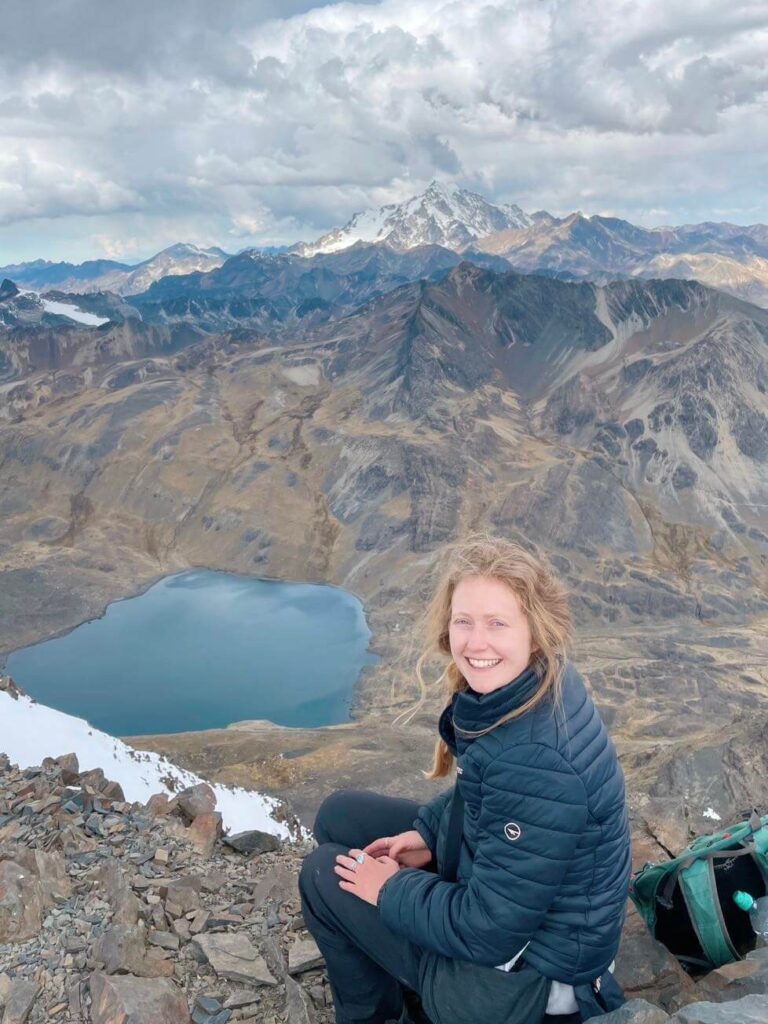
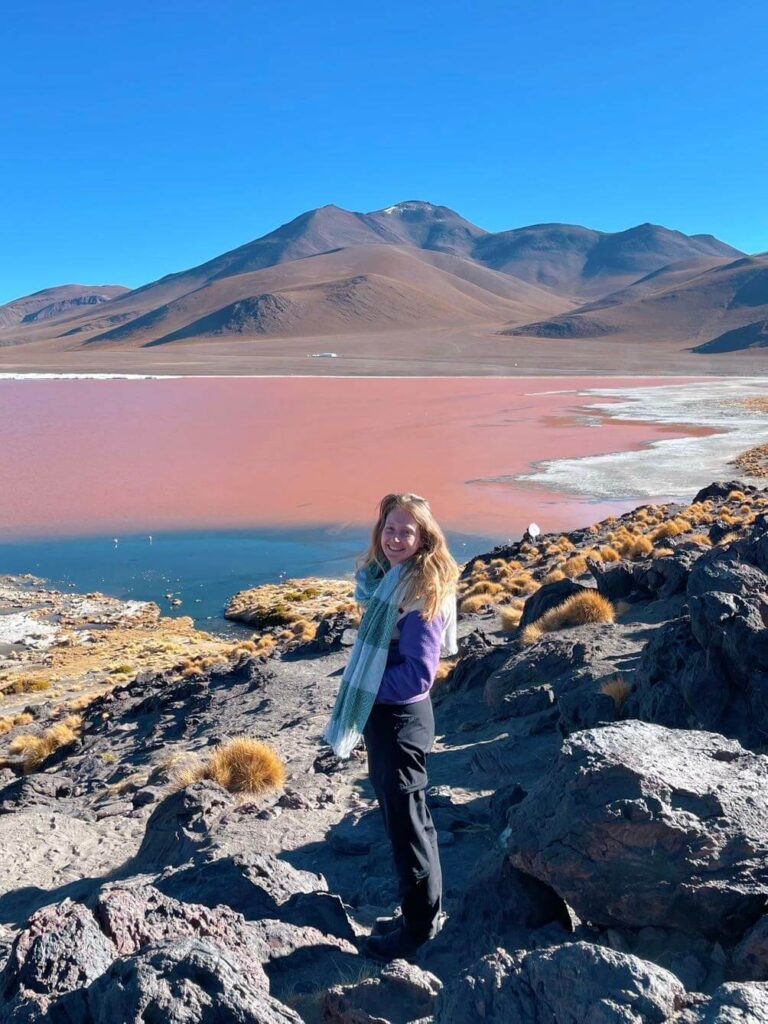
- Stunning nature – the Salt Flats remain one of the best experiences of my 10+ years of travel, and Pico Austria is one of the best hikes. This country is a natural wonderland!
- Diversity of destinations – crazy La Paz is so different to idyllic Sucre, and neither can be compared to peaceful Isla del Sol, the Amazon or Salt Flats
- Affordable – sadly, solo travel can sometimes be more expensive than travelling with others but the low prices in Bolivia mean you don’t need to stress when getting a private room or taxi for one.
Downsides of travelling in Bolivia (solo or not)
- Altitude sickness is common (El Alto is the highest city in the world) so you need to take time to acclimatise. Even then, you may feel unwell
- La Paz can be overwhelming if you’re not used to hectic, crowded cities. I found it safe enough but you do need to be street smart!
- Bus companies can be sketchy – reviews of buses running between La Paz and the Amazon mention buses nearly falling off cliffs and a solo female traveller getting left at a rest stop because the driver refused to wait. Luckily, they’re not that bad everywhere.
- Health risks – issues like stray dogs and unclean water impacted my trip.
More about the wild dogs
My most stressful moment when solo travelling in Bolivia was in Tupiza when a pack of stray dogs attacked me! Given that rabies is prevalent, I had to visit the hospital for jabs which, luckily, were free. Still, it was NOT ideal.
I have never seen so many stray dogs as in Bolivia, so I was feeling anxious from the start since I am somewhat of a stray dog magnet (this was my fourth dog bite during my travels!).
I wanted to walk up the hill for sunset in Tupiza and asked several people if it was safe due to the local dogs, and everyone said it was fine.
It was not fine! Before even arriving at the hike’s starting point, some dogs in the street attacked me. I don’t know what I could have done differently. I had some rocks in my pocket that people had suggested throwing for protection during an attack, but alas, they did not help.
Be very careful, and don’t hike alone in Tupiza. I highly recommend getting the rabies vaccine before your trip (though you will still need to seek medical attention for additional jabs if bitten; consult your medical practitioner for more info).

More about the water
Before visiting Bolivia, many travellers had shared horror stories about gastro problems. Having had food poisoning twice in the last month during solo travelling in Peru, I almost considered not going but decided it was ridiculous to miss living over something that might not even happen!
Well, it did happen. I spent a week in and out of bed in La Paz waiting to be well enough to catch a night bus to Sucre. On the plus side, I really loved La Paz so it wasn’t the worst place to get stuck.
You can reduce the risk by eating at reputable places, avoiding salads (often the culprit) and sanitising your hands before eating, but there are no guarantees. I suspect it’s the water rather than the food, and it seems to get into your system somehow!
I suggest brushing your teeth with filtered water and of course, never drinking tap water! Unlike in some countries where hostels have large filtered units you can fill your reusable bottle from, this isn’t a thing in Bolivia. If you don’t have a filtering water bottle, you’ll have to buy plastic bottles, sadly.
Is Bolivia safe for solo female travel?
Yes, I spent almost a month in Bolivia and – aside from a stray dog attack – didn’t run into any trouble.
The city of Sucre and peaceful Isla de Sol are trouble-free, and I didn’t have problems in La Paz, although it’s crowded and hectic so I’m sure petty crimes like theft occur. I suggest avoiding the city centre at night and taking Uber instead of walking after dark. Wear a secure, cross-body bag, and don’t flash your valuables. Normal stuff.
El Alto (the city up the hill from La Paz) is less safe, and I observed local men who were struggling with homelessness and alcohol dependence. While I sympathise with both issues, it’s best to stay safe by taking a guided walking tour, for example the one with Red Cap tours.
Overall, yes Bolivia is safe for solo travellers, including women, but exercise caution and be savvy.
Is Bolivia suitable for first time solo travellers?
Given the fact I have listed rabid dogs, unclean water, dodgy bus companies and severe altitude, let’s just say Bolivia is more of an adventurous destination than some. For that reason, I’d save it ’til you have experience, rather than combine these things with the overwhelm of travelling alone for the first time.
Getting sick alone and having no one to help is one of the downsides of solo travel. Obviously, it could happen in the safest country in the world, but the chances are higher with the water issues and stray dogs. Although I had problems with both, it luckily (?) wasn’t my first rodeo on either front AND I have experience being sick alone.
However, if I were new to the situation, I’d have felt pretty down without anyone I knew to help.
Do you need to know Spanish to travel solo in Bolivia?
Bolivia was one of the Latin American countries I visited where the least English was spoken so knowing Spanish will help hugely. But I’m far from fluent and got by alone so don’t consider it a game over if your Spanish isn’t great either.
Learn as much as possible (using Duolingo, watching series with Spanish subtitles etc) but if you know you’ll still struggle, get a local SIM card so you can use translation services while out and about.
Many people in Bolivia speak indigenous languages such as Aymara, but also speak Spanish as a second language.
How to get around Bolivia alone
Buses – this is your main option. There are numerous companies – such as Trans Copacabana and 6 De Octubre – at different price points. Either purchase your tickets on the Tickets Bolivia website or at the bus station. Oftentimes, there aren’t day buses, only night buses, which admittedly feels more overwhelming for solo travellers.
Note – when going between Copacabana and La Paz, don’t be alarmed if the bus driver makes you get off and board a boat (be sure to have some small change for the ticket) while the bus floats across the river on a barge!
Bolivia Hop – similar to the Peru hop, this is a private bus service that picks you up and drops you off at the door of your accommodation. Although a secure and social option that may appeal to some solo female travellers in Bolivia, it’s more expensive and doesn’t service everywhere you might want to go, only Copacabana, La Paz and Uyuni.
Boat – necessary to reach Isla del Sol from Copacabana. Buy a ticket at the port (I paid 55 BOB each way) and board the next departure. Journeys depart 2-3 times daily and take 1.5 hours.
Flight – I didn’t take any flights but they exist. Boliviana de Aviación (BoA) is the main airline. If you can lock down your dates in advance, consider flying to the Amazon to avoid the crazy bus companies that run the journey (although be aware that airlines often cancel due to bad weather).
Colectivos – tightly-packed minibuses leave when full, taking locals where they need to go. I’ve used them around South America but never in Bolivia.
Best places to travel solo in Bolivia
Here are the places I visited and loved…
La Paz

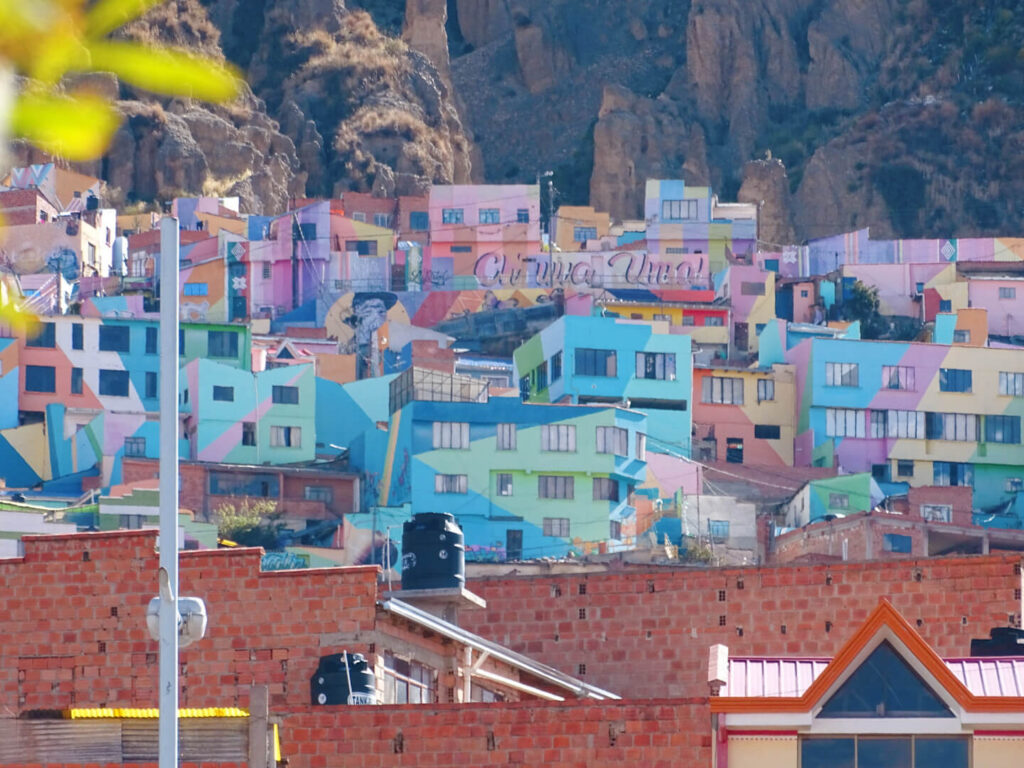
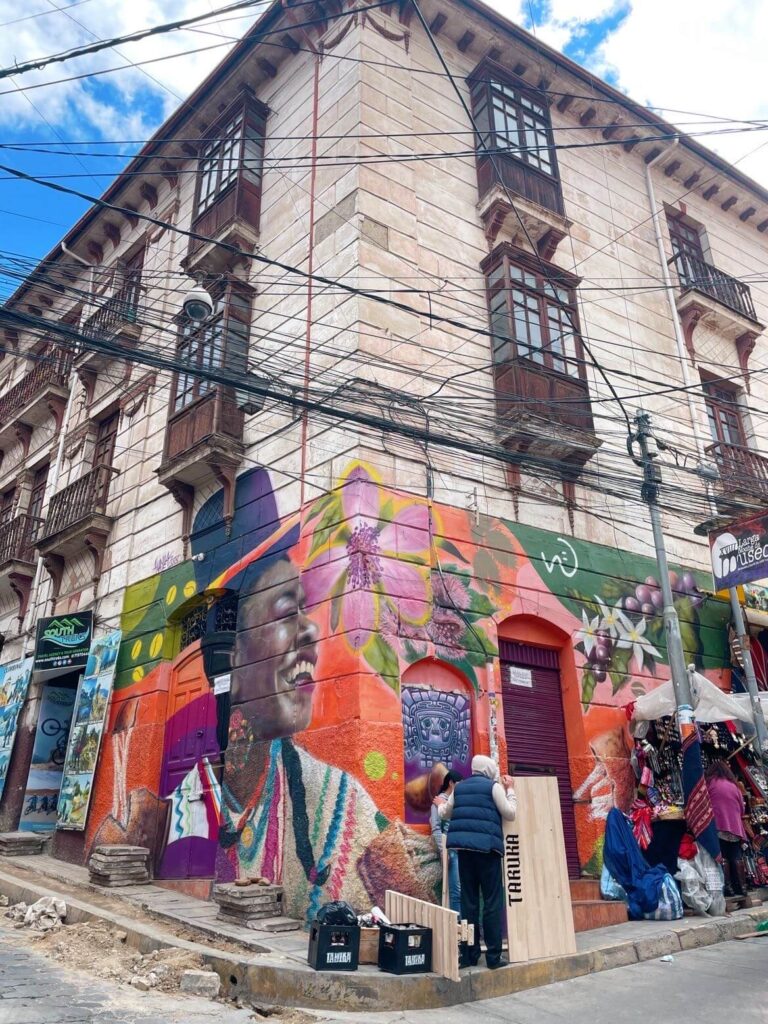
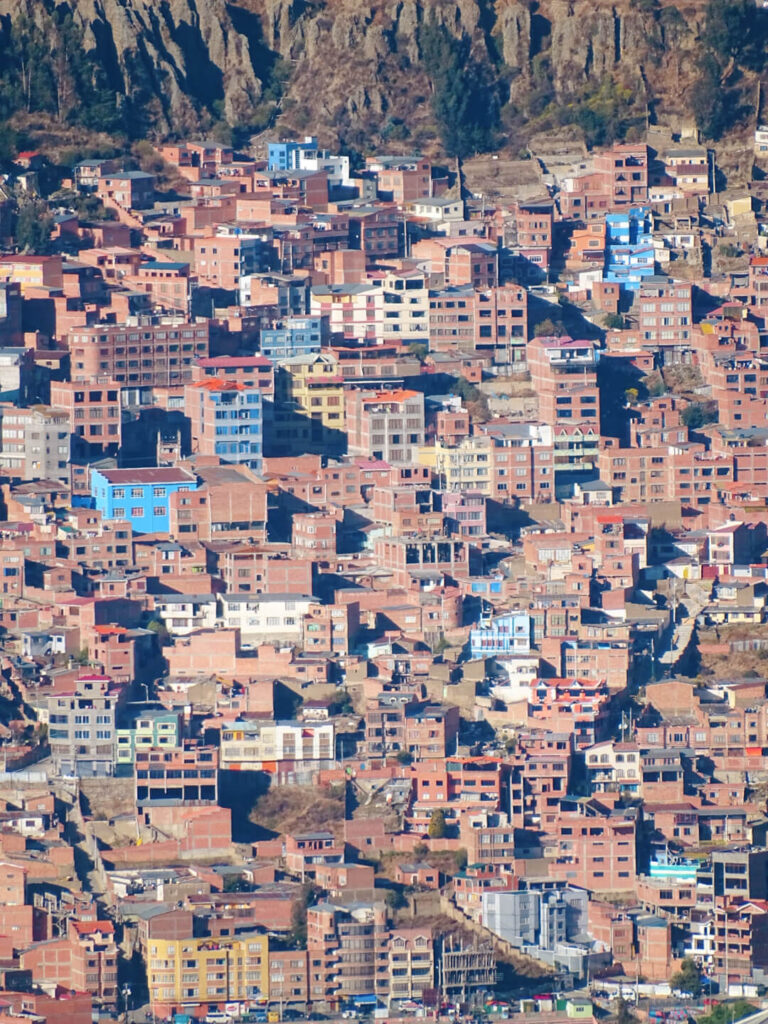
I love this unique city with its colourful street art, cable cars and vibrant local markets including the centuries-old Witches Market.
The main activities include taking a free walking tour (a regular one or a Crazy Dave one), snapping photos from Mirador Killi Killi, visiting museums like the Ethnography & Folklore and Modern Art, and exploring the unusual La Paz Cemetery.
You get great value on fancy restaurants in La Paz. At Bolivian Popular Food, you can enjoy a 3-course lunch and drink for 100 BOB ($12). They seat solo travellers at the bar, and I got chatting to people next to me. Be in line by 11.30am to get a table.


Up the hill is El Alto, the world’s highest city, connected to La Paz by cable car. Here you’ll find the largest flea market in South America. Stay for the famous cholita women’s wrestling, first practised to empower victims of domestic violence and now more popular than men’s wrestling! Book a ticket.
See the highlights of Alto in a day with Red Cap’s Extended Tour (Thurs & Sun only). El Alto feels slightly overwhelming and less safe than La Paz so taking a guided tour is a good option for solo travellers in Bolivia.

Day trips from La Paz:
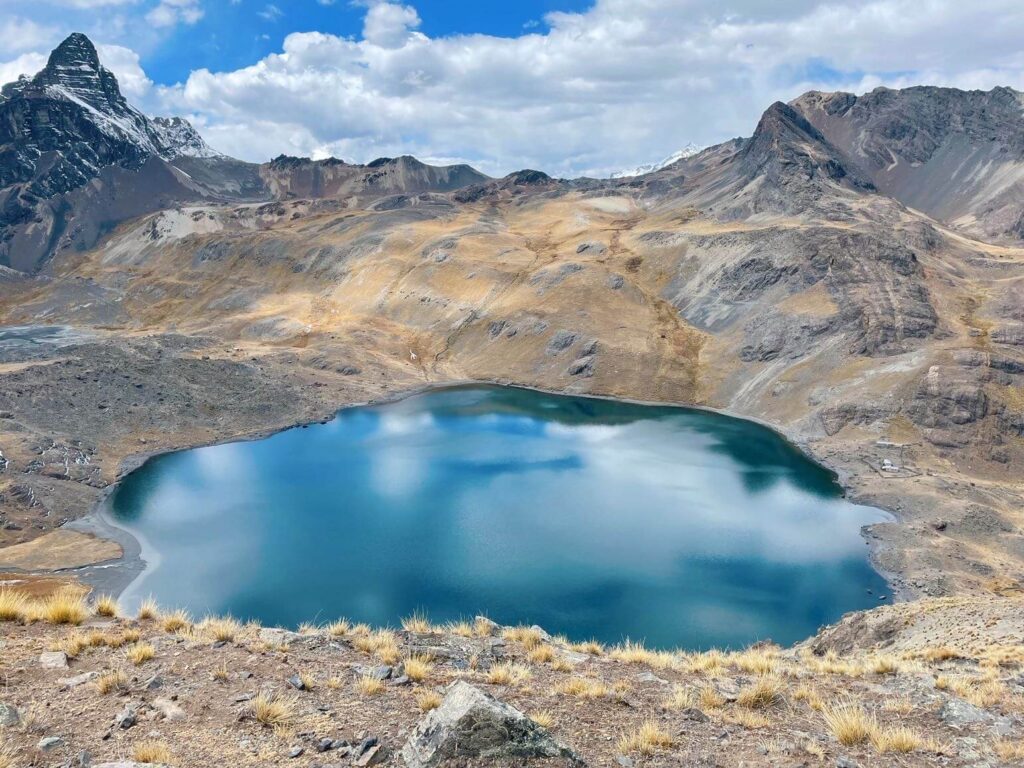
- Pico Austria hike – one of the best day hikes I’ve done in South America! It’s a tough one gaining 1,000m of elevation, reaching 5,320m above sea level (I suggest you spend several days acclimating in La Paz first). I paid $40 to go with Southtreks including lunch, entry and transport.
- Cycle Death Road – this infamous road carved into a cliff face is where daredevils can cycle alongside jaw-dropping views. Plenty of companies in La Paz offer day trips from $80.
- Valle de la Luna – just 10km away, this valley with unique geographical formations is thought to resemble the moon.
- Serranías del Valle De Las Animas – translating as ‘valley of the souls’, this epic canyon is full of formations thought to look like spirits wailing in the wind (combine with Valle de la Luna in this tour)
- Laguna Esmeralda – to see a beautiful blue lake without the tough ascent of Pico Austria, try this day trip.
- I recommend GetYourGuide for day trips and excursions from La Paz.
Huayna Potosi: many travellers embark on the overnight hike to this 6,000m+ freezing mountain, requiring you to ice pick your way to the summit! Approximately 50% of people have to turn back. I didn’t attempt it, so read this guide to hiking Huayna Potosi if you’re tempted!
Salt Flats (Salar de Uyuni)
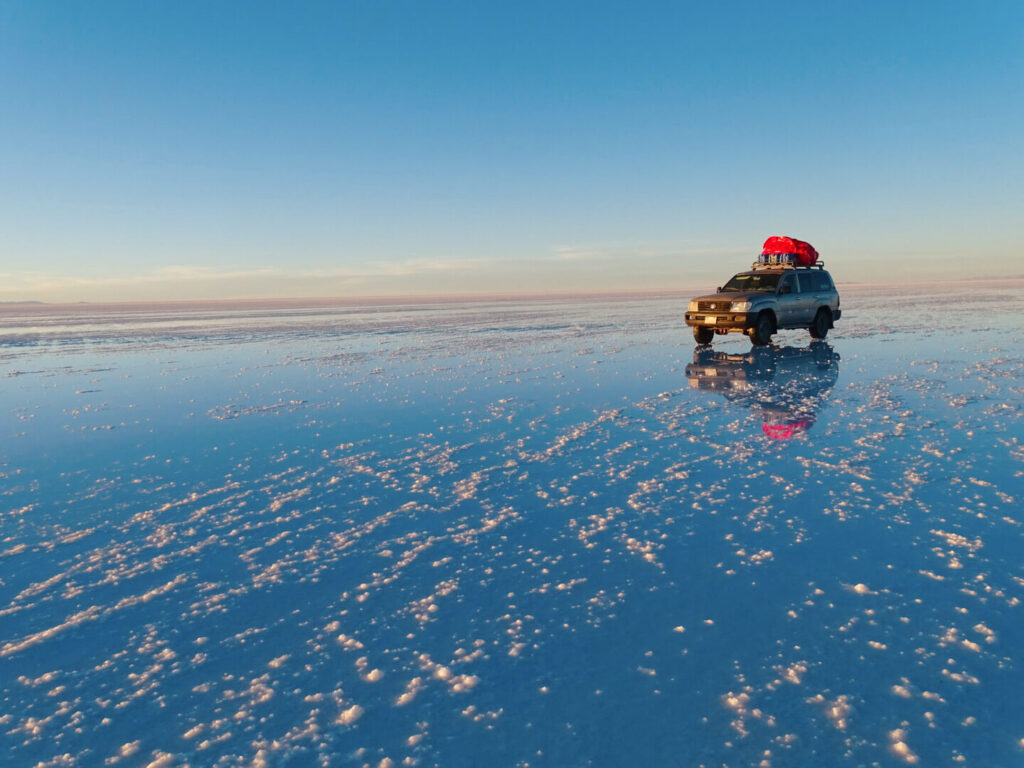
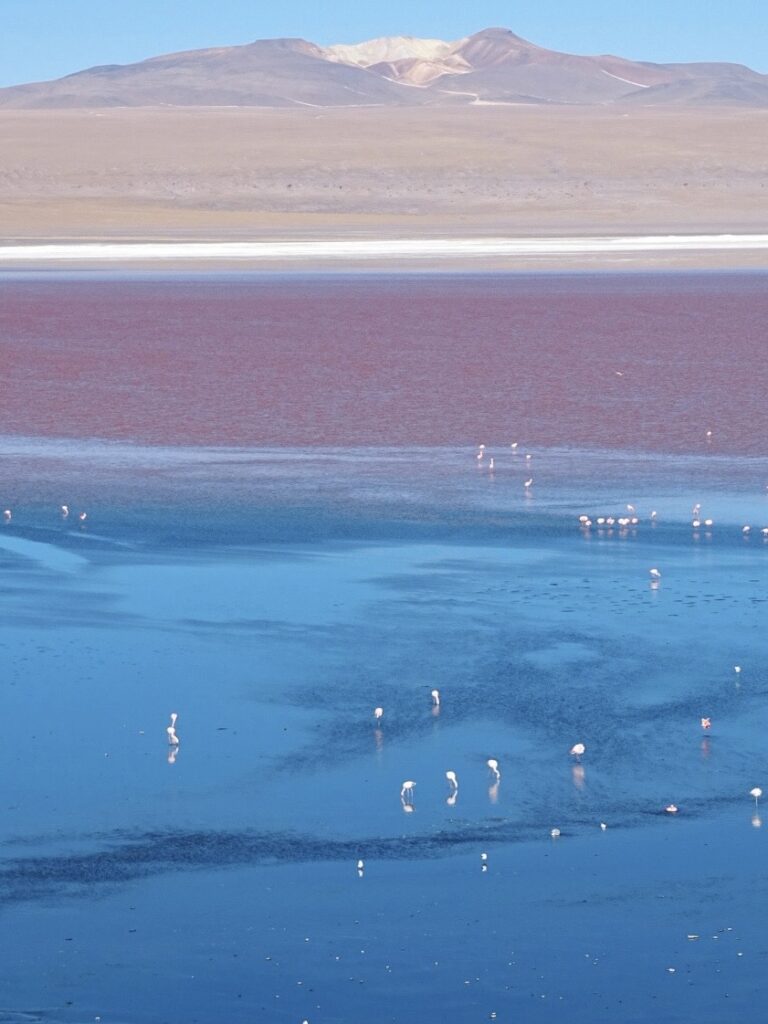
This was easily the highlight of my solo trip to Bolivia (and maybe my 12-month South America trip). The unique Salt Flats are actually a desert, elevated at 3,600 metres above sea level. They used to be underwater, and you’ll spot rocks that are actually dried coral.
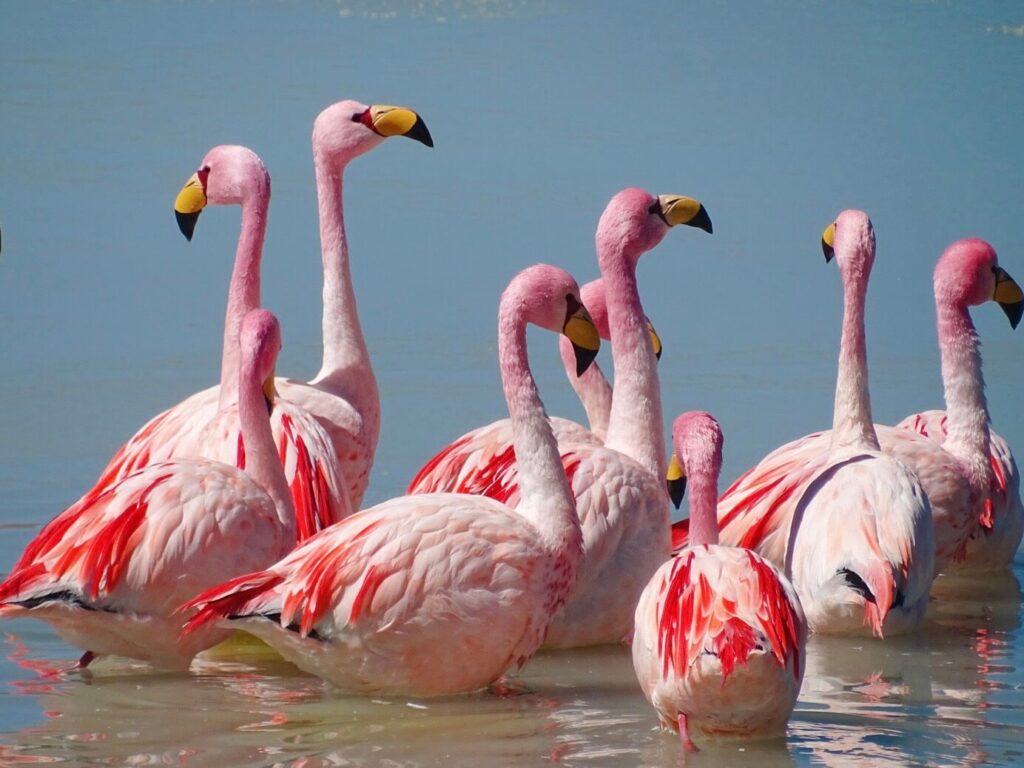
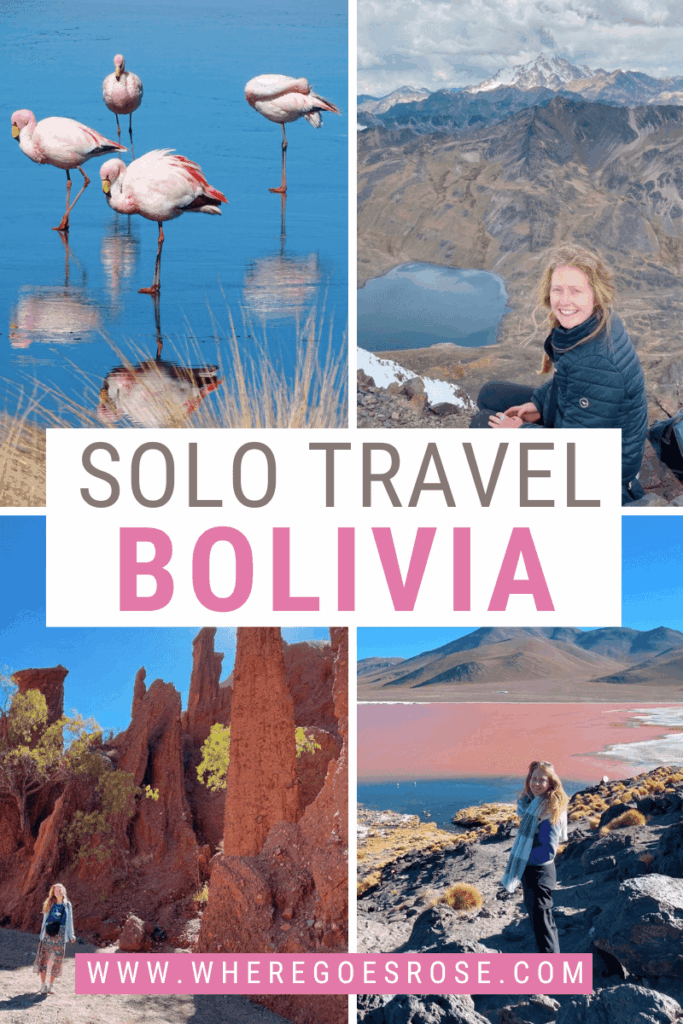
Visit by joining a tour from Uyuni town. Along with a guide and other tourists, you’ll spend 2 nights staying in the Bolivian Salt Flats, spending the days touring spectacular locations such as lagoons full of pink flamingos and taking fun travel photos due to the reduced sense of scale.
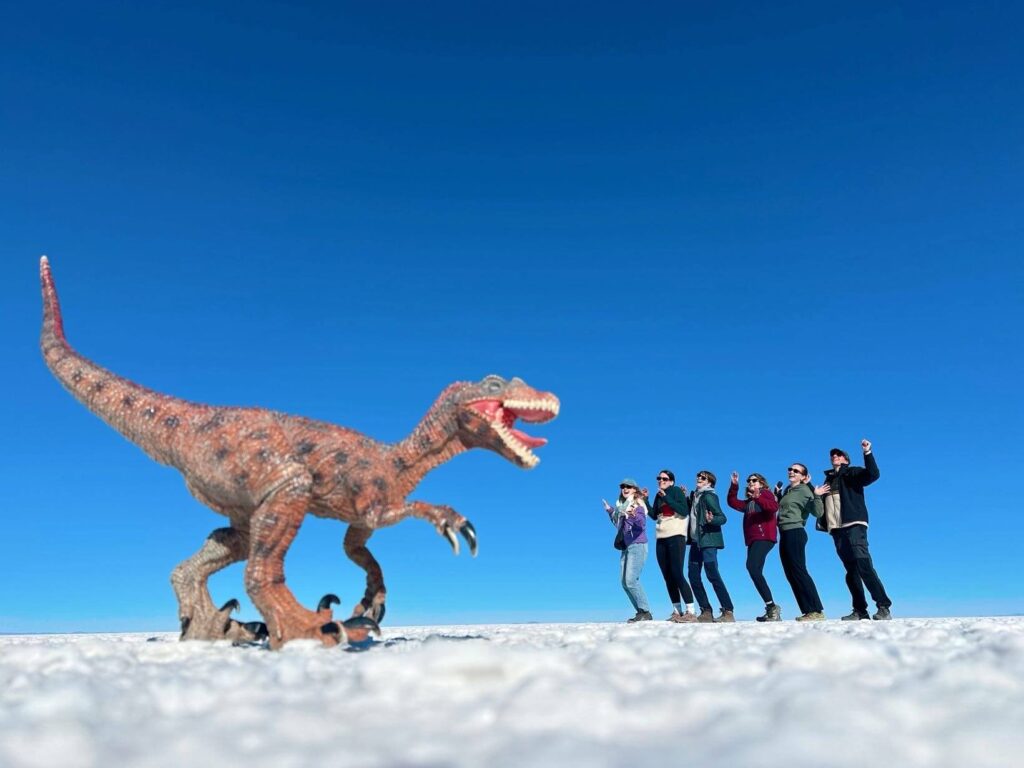
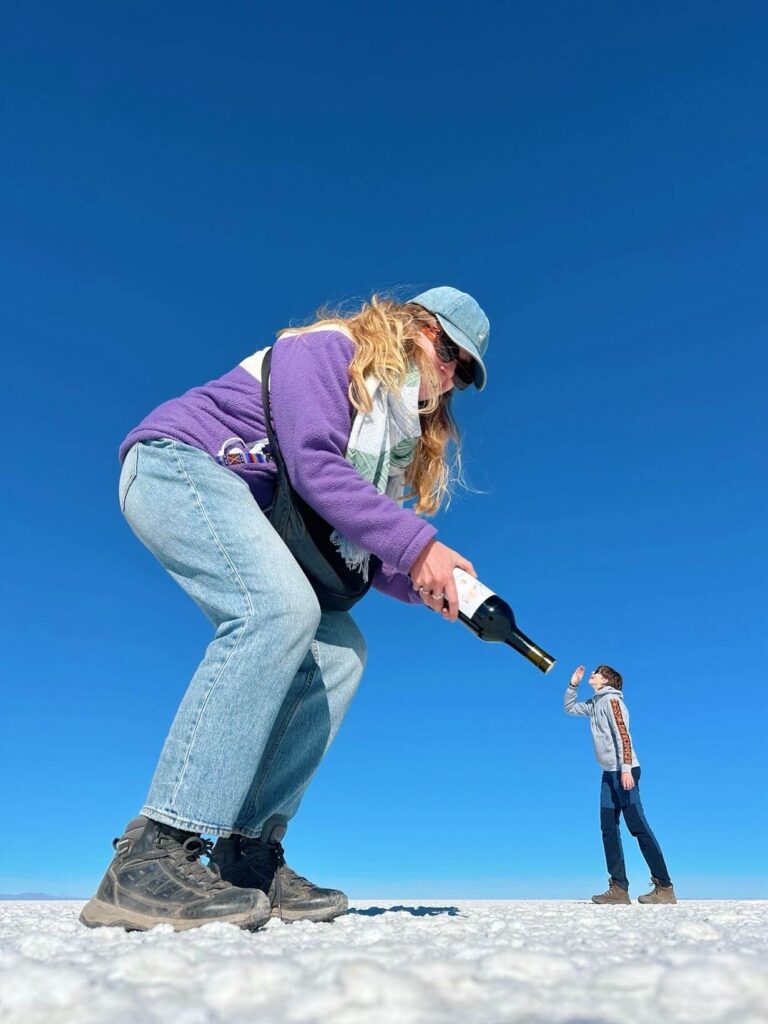
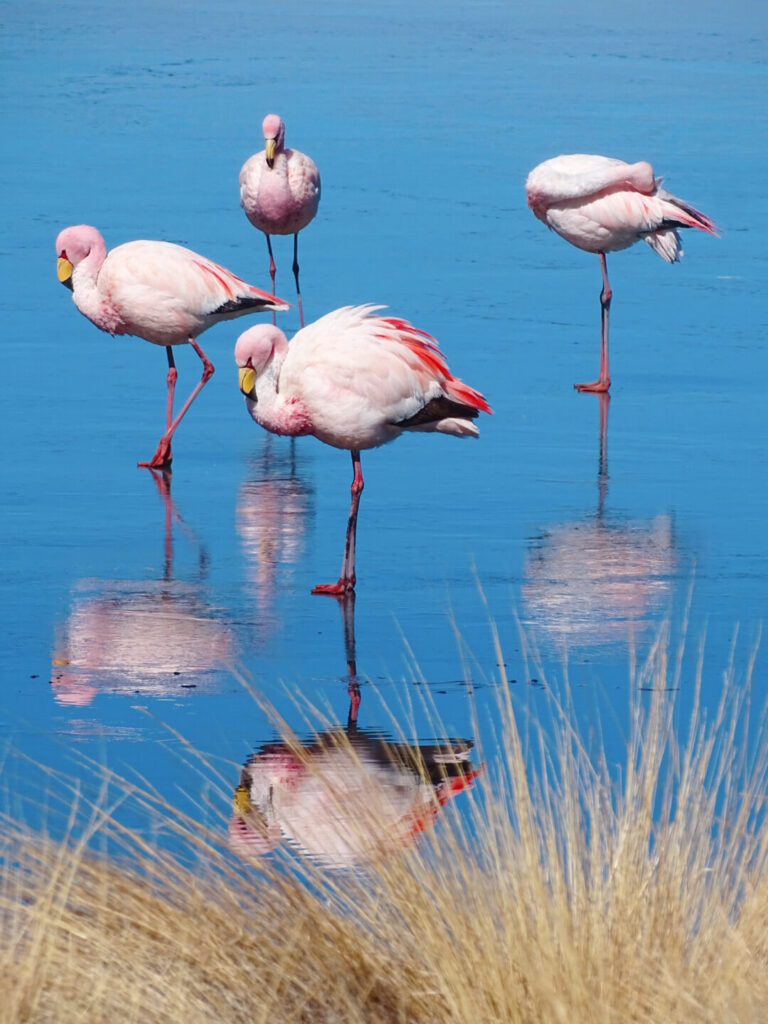
I went with Skyline Traveller but do not recommend them due to paying $10 for a sleeping bag, then there being one missing and the guide very meanly deciding it was mine, making me sleep at -7 degrees without one. Sierra Travels gets good reviews.
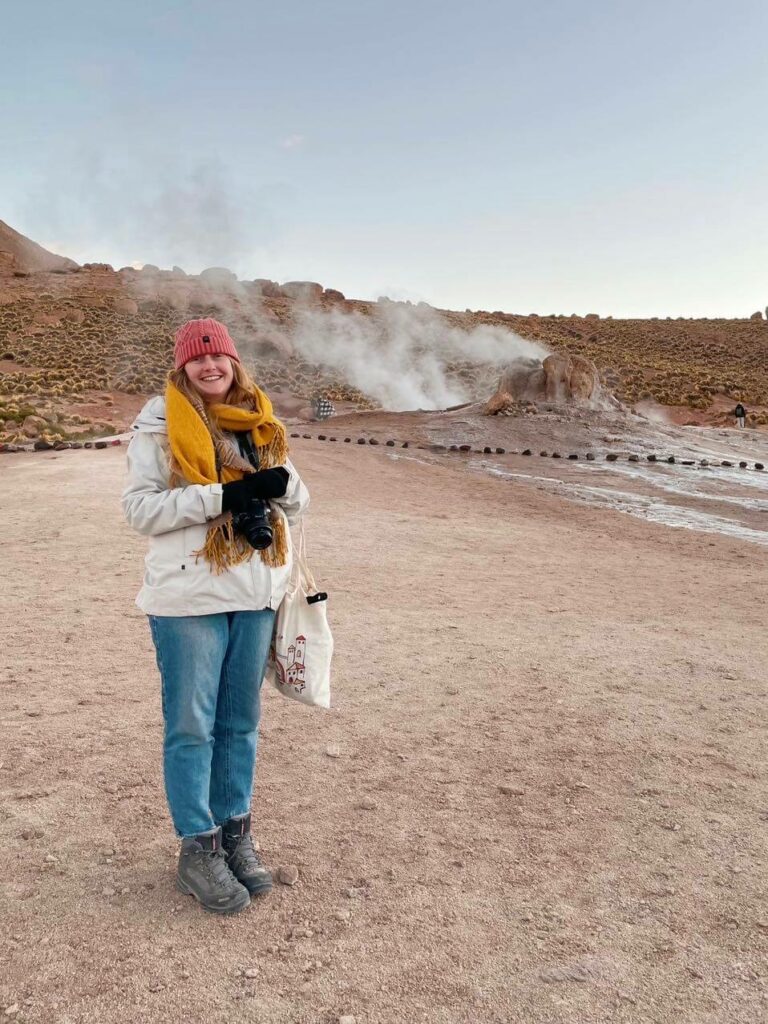
Choose to return to Uyuni after the tour or get left at the Chilean border for a transfer to San Pedro de Atacama. I did this to continue my solo travels in Chile, where flights home to the UK were a lot cheaper than from Bolivia.
Copacabana
The city beside Lake Titicaca is, in my opinion, best visited as a launching point for Isla del Sol. I didn’t especially rate Copacabana or find much to do there.
Some people will stay overnight in Copacabana and take day trips to other islands but these are very touristy. I think Isla del Sol is the most authentic.
If you do stay overnight, Mia Posada is a decent budget base. If you’re feeling flash, stay at Insta-famous Hostal Las Olas with roaming alpacas and lakeside views.
Isla del Sol
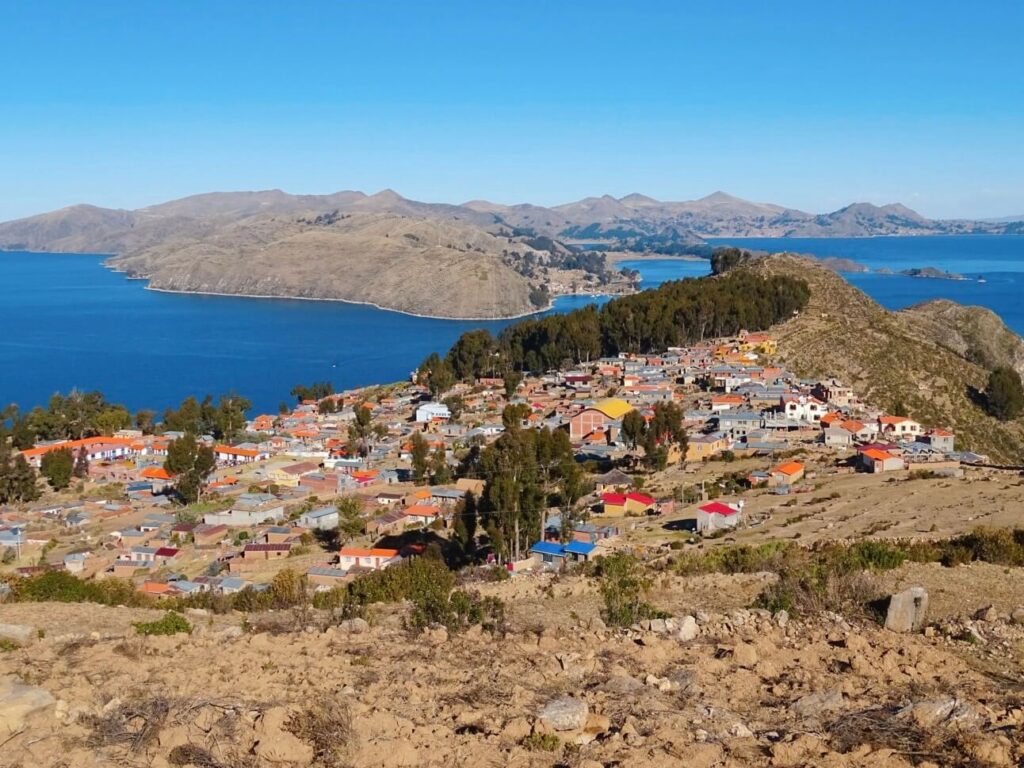
Easily visited from Copacabana (1.5 hours by boat), this is one of my favourite places in Bolivia. Isla del Sol feels like you’ve stepped back in time. Locals live off the land and speak the ancient language of Aymara.
With snowy peaks in the background, it’s truly beautiful, and also holds historical significance: it’s said to be the birthplace of Inca sun god, Inti.
Aside from two pizza restaurants and the existence of (very slow) Wi-Fi, there are no signs of the modern day!
Without any hostels, it’s not exactly a social place for solo travel in Bolivia, so consider a day trip if you get bored alone (from Copacabana; there are day tours from La Paz but you’d spend way too much time travelling).
However, I enjoyed staying overnight (at the lovely Ecolodge Santo Campo) and spending a whole day walking 18km around the island, passing the Chincana ruins, which took around 6 hours.
Tip – it’s a steep hike up from the port! Don’t bring all your luggage; I left most of mine at a hostel in Copacabana.
Sucre
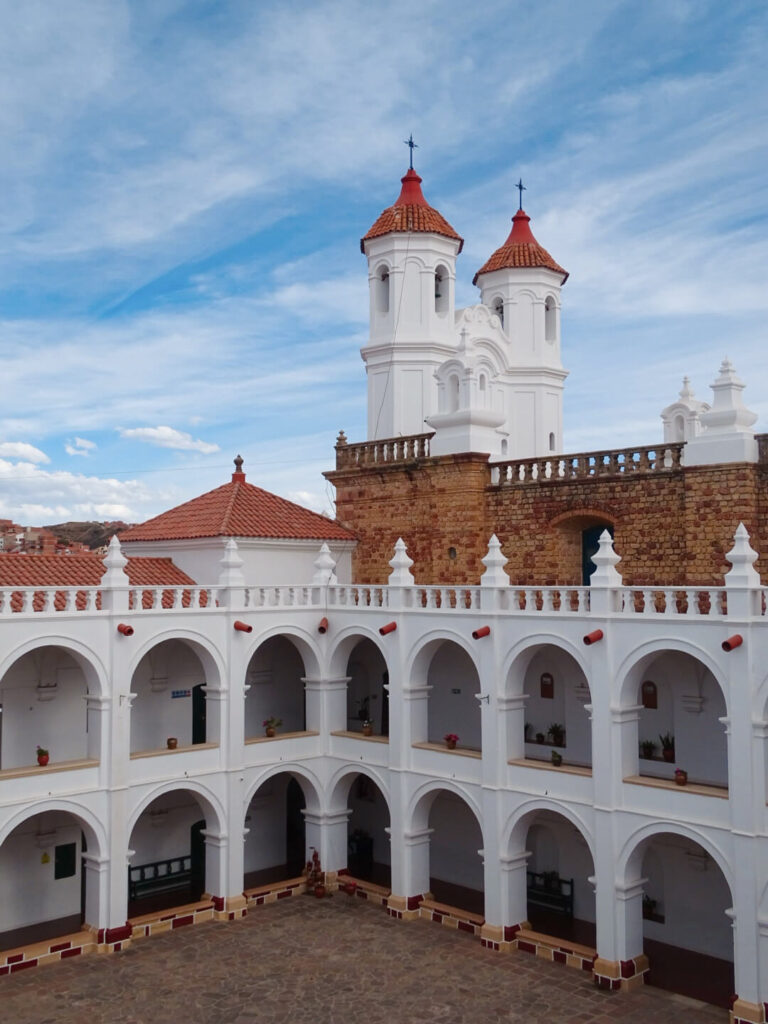
I loved this quaint, historic city. I thought of it as the ‘Arequipa of Bolivia’ as it reminded me of my favourite Peruvian city with its beautiful architecture and views.
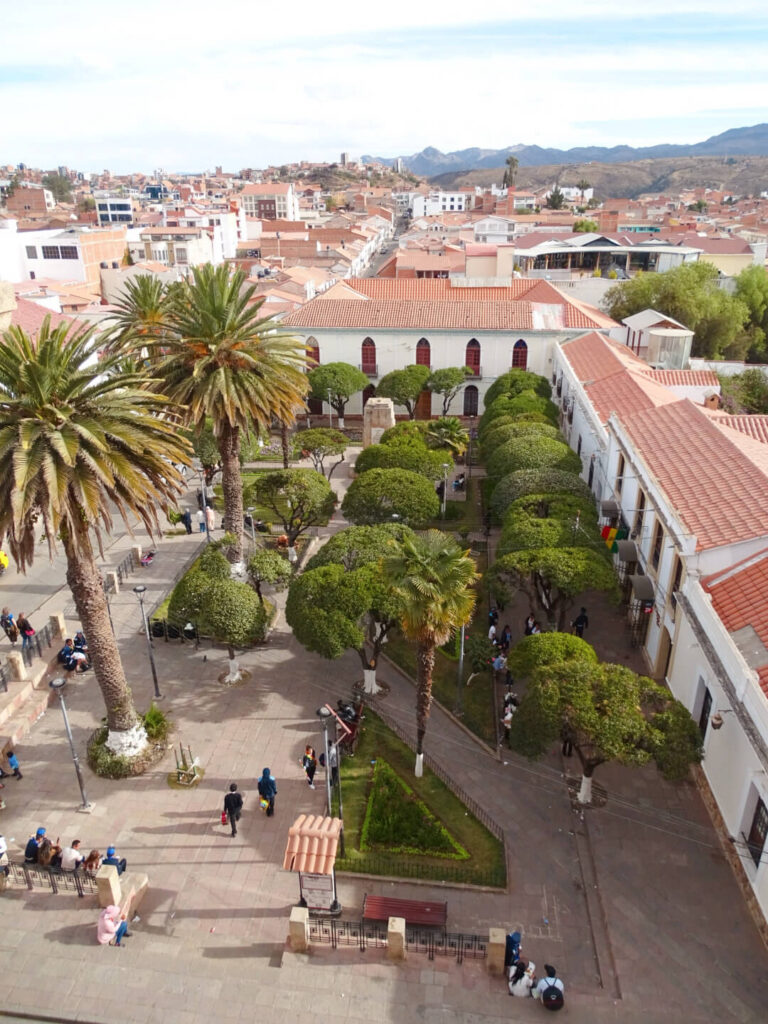
As the constitutional capital of Bolivia where the Independence Declaration was signed, there’s plenty of history. I took a free walking tour, visited historic places like the Freedom House and snapped pano views from the church rooftop and Cafe Mirador San Miguel in the bell tower (visit for sunset).
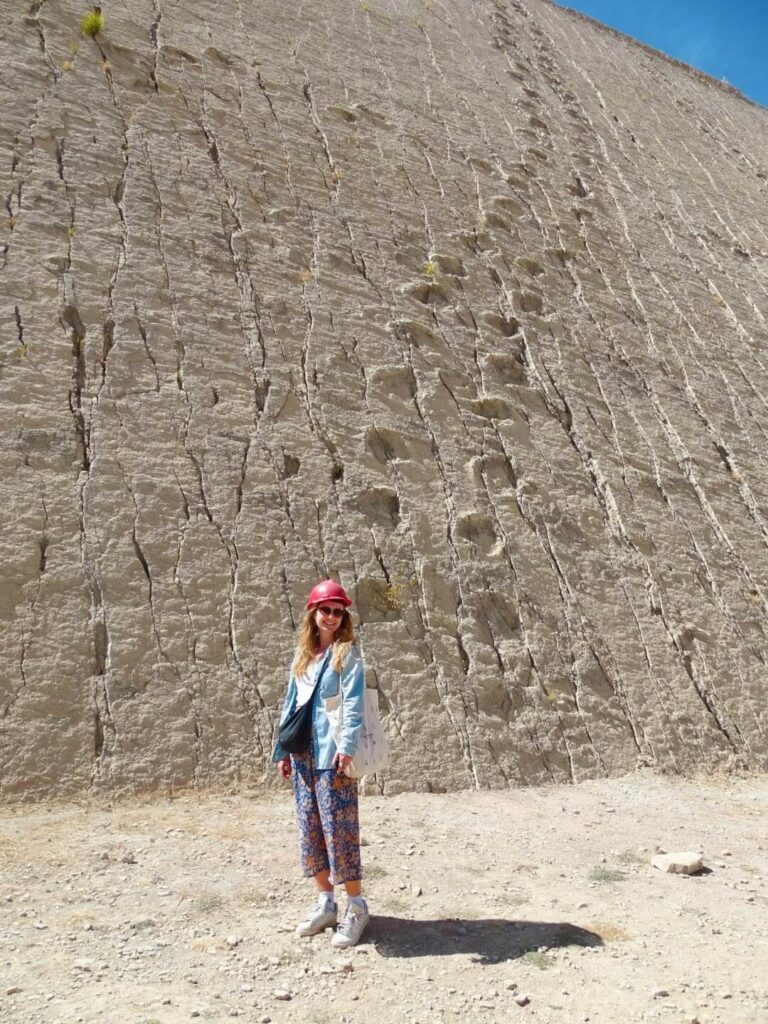
Don’t miss a trip to Parque Cretácico to see the world’s oldest dinosaur footprints!
Like Arequipa, it has great restaurants. Best was a 9-course tasting menu with drink pairings for 200 BOB ($25) at Nativa, mentioned by the World’s 50 Best publication. Book on WhatsApp to reserve a table. I visited solo and didn’t feel awkward; there were lots of solo travellers there.
Read next: the best restaurants in Sucre, Bolivia
Places I didn’t rate for solo travel in Bolivia
Here’s where I went but felt I could have skipped, honestly…
Tupiza
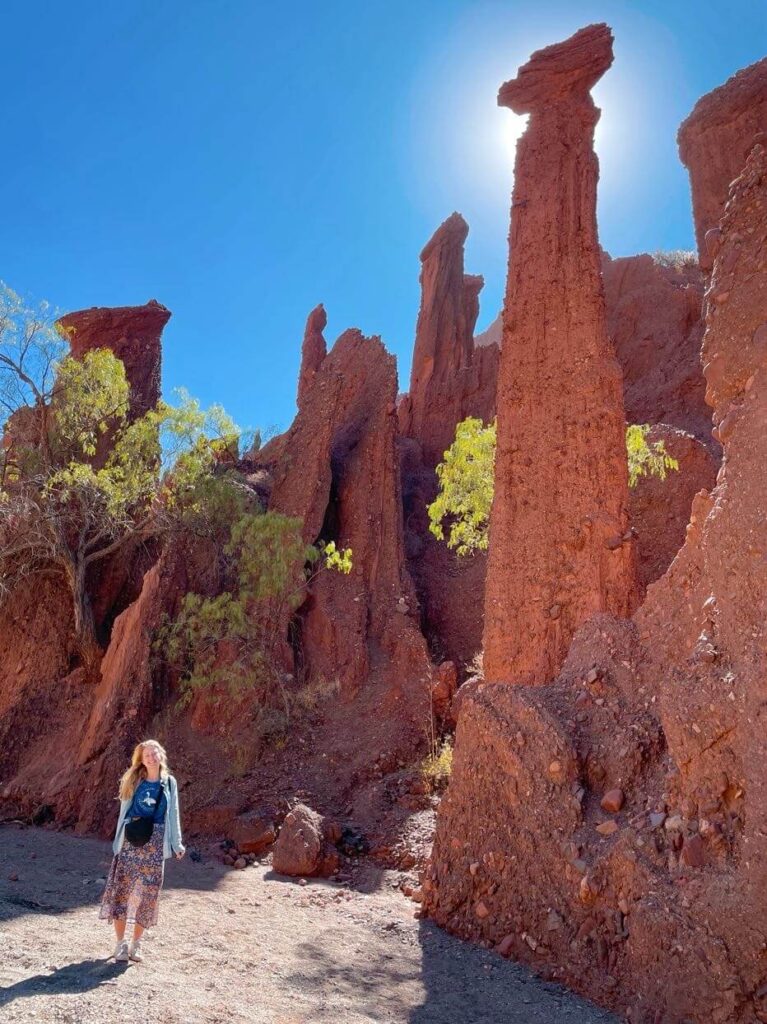
I may be being unfair to Tupiza because, truly, the rock formations are stunning! But because I’d already seen similar scenery during my solo Argentina travels, I felt I could have skipped it…
… Especially because of all the stray dogs! This was the location of the attack that left me running to the hospital to find rabies jabs.
In addition, there’s not much to do after a trip into nature (either a Jeep trip or a horse ride with Tupiza Tours). I don’t recommend walking to the viewpoints or doing any solo hikes due to the dogs.
Also, the town isn’t great. There’s not even a coffee shop! Coffee addict me was in DISTRESS. There aren’t really hostels, either, so it’s hard for solo travellers to meet people.

Tips if you do go: I stayed at Hostal Salares with private rooms for decent rates. There are two good restaurants in town: Avanti Bistro (proper woodfired pizza!) and Green Planet, a cosy joint with a friendly owner and affordable 3-course meals.
It’s 6 hours by bus from Potosi and 4 hours from Uyuni.
Potosi
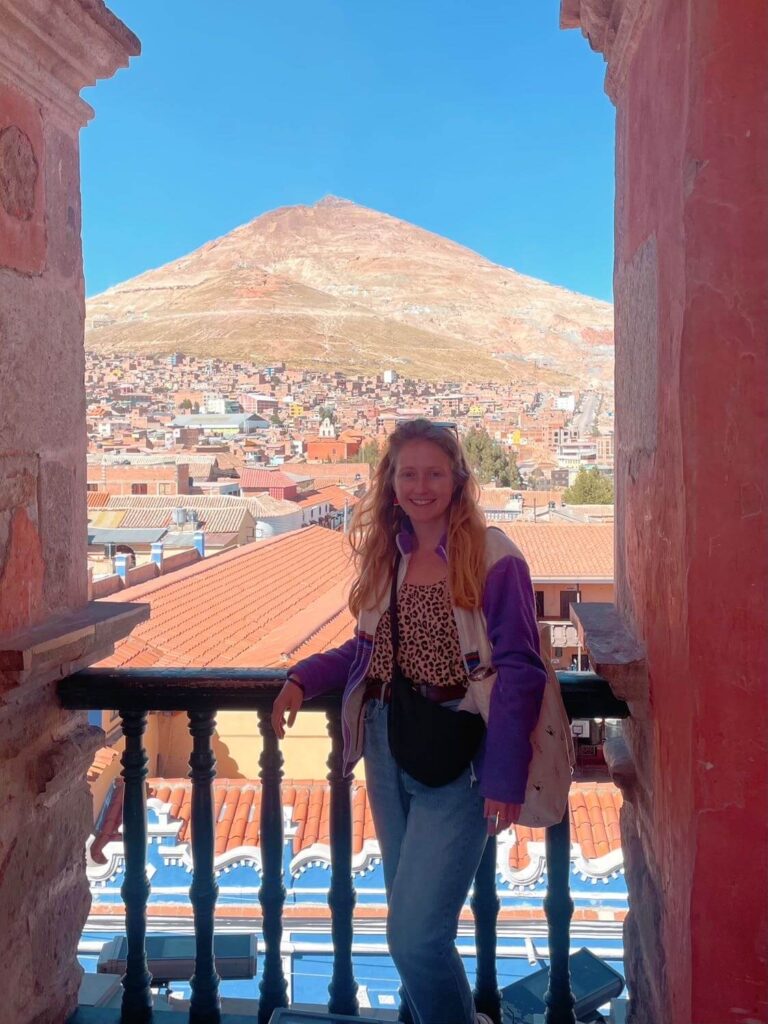
This was my least favourite place in Bolivia. It has an interesting history as it was once the richest city in the world due to its silver mine, and the streets were once paved with blocks of silver.
However, the reality is bleak. The Spanish forced indigenous locals and African slaves to work the mines, where 8 million men died. The silver is gone, but miners still work today extracting other minerals.
The main thing to do in Potosi is a mine tour but I decided against it because a) I felt it was bordering on poverty tourism to watch people working in horrific conditions and b) with cramped spaces, limited oxygen and risk of rockfall, it’s a risky activity even for tourists.
I visited Potosi anyway as I had plenty of time. Aside from visiting the National Mint (tours are in Spanish only) and climbing the clock tower, the only activity I found was a free walking tour. Luckily, this was good as we got free salteñas, the local version of empanadas.
Overall, though, I didn’t love Potosi especially with its sad legacy, and wouldn’t go if visiting Bolivia again.
If you visit, I can vouch for Casa Blanca hostel as a good spot for solo travel in Bolivia: very spacious with a great brekkie for a small extra cost.
Wishlist for next time
The ones that got away…
The Amazon (Rurrenabaque)
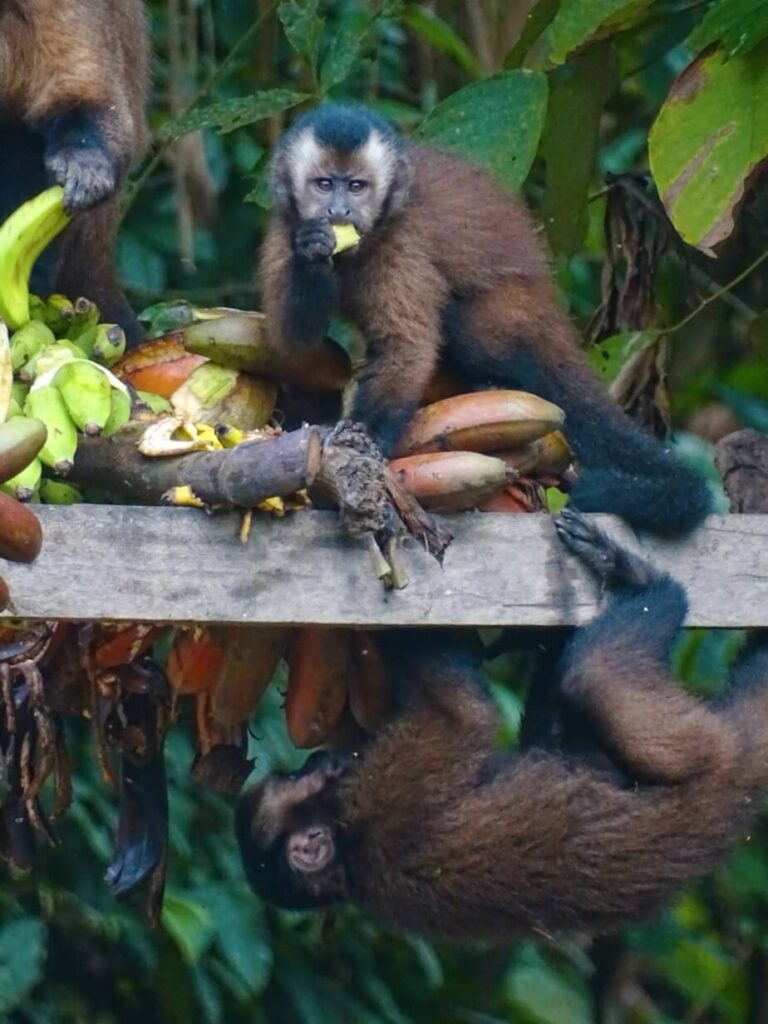
I wasn’t too disappointed about missing the Amazon as I had already been recently in Peru. However, I heard good things about tours of the jungle and pampas (grasslands with abundant wildlife) in Bolivia. Sadly, a week-long food poisoning in La Paz meant I ran out of time.
Also, the reviews of bus companies making the journey from La Paz to Rurrenabaque were SO horrific that I was put off making the night journey. You could take a flight but I hear they’re often cancelled due to weather conditions.
The other thing to note is the prevalence of unethical animal tourism in Bolivia. Before deciding not to visit, I researched a family-run business, Jaguarsirius, that doesn’t handle or disrupt the wildlife. If you visit, WhatsApp them via the number on their Google pin (linked).
The Wine region (Tarija Valley)
Again, having been to Argentina’s wine region, I skipped the Tarija Valley but afterwards heard positive things. People who’d been described it as pretty and peaceful. Also, I can vouch for Bolivian wine being delicious!
Samaipata
I heard good things about this cute village in eastern Bolivia. An international crowd have settled in Samaipata over the years, creating a bohemian vibe with good restaurants and a slow pace of life. Stay amongst nature in a relaxed homestay.
Since it’s far from everywhere you’re likely to visit, and the only buses arrive in the middle of the night (no way was I risking more dog attacks!), I skipped it.
Solo Bolivia itinerary
La Paz – 3 days+: I did a free walking tour and explored the centre on day 1, headed up to El Alto and saw the cholita wrestling on day 2 (time this for a Sun or Thurs), then chilled and enjoyed lunch at Bolivia Popular Food on day 3.
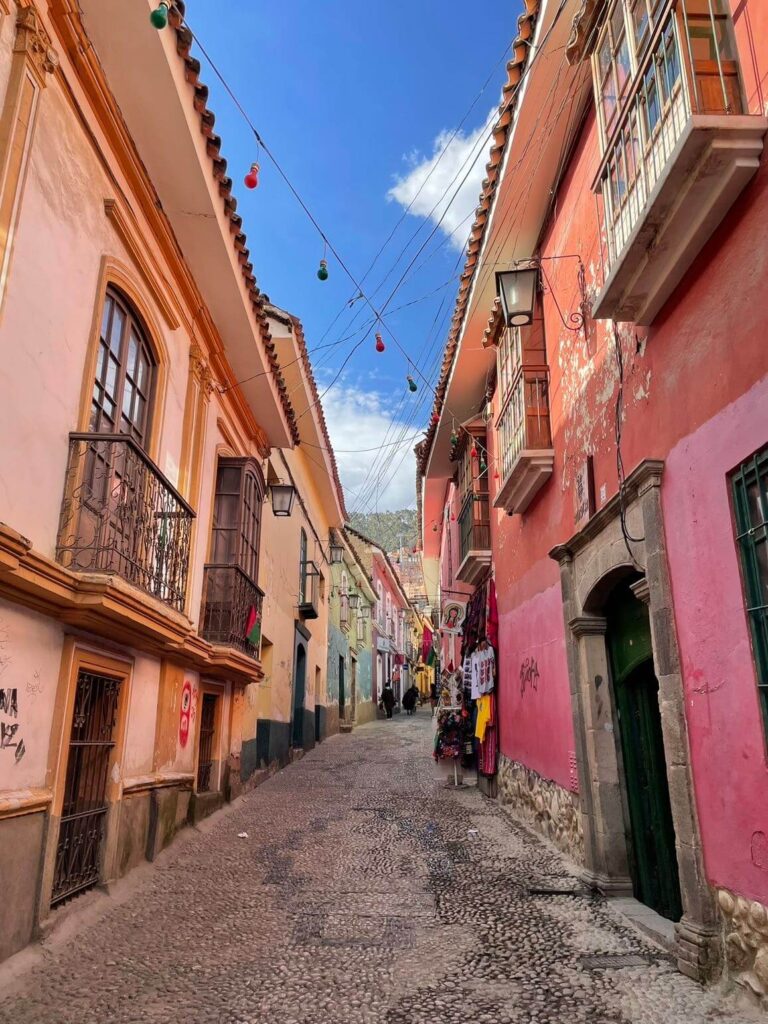
Add extra days here for day trips and at least 3 days more to climb Huayna Potosi and recover!
Copacabana (if you’re coming from Peru, visit first as it’s where the bus from Puno arrives) – personally, I don’t feel this lakeside town warrants a stop but, depending on bus and boat times, you may have to stay overnight between La Paz and Isla del Sol.
Isla del Sol, 1-2 nights: I actually stayed 3 nights, resulting in a local telling me I was crazy as it’s ‘boring’, but I loved the peace. With two full days, I hiked around the island on day 1, then relaxed and walked to the Templo del Sol ruins on day 2 (but you could do this the day you arrive).
Sucre, 2-3 nights: I did a free walking tour, climbed the clock tower for sunset, toured the Indigenous Art Museum and Freedom House, and took an excursion to Parque Cretácico (to see dino prints) an hour away.
Possible additions if you have time – Potosi and Tupiza for 1-2 nights each. I visited both but wouldn’t rave about either.
Uyuni and Salt Flats tour, 3 nights: Stay the night before in Uyuni to board a Salt Flats tour the next morning (there’s not much to do in town). The tour lasts 2 nights, ending back in Uyuni or at the Chilean border.
How to make friends travelling alone in Bolivia
- Stay in hostels – such as Casa Bonita (cosy option) / Wild Rover (party option) in La Paz, and Villa Oropeza or Holis in Sucre. I use Hostelworld to find places.
- Take free walking tours – I liked the Red Cap Tours in La Paz. Elsewhere, I researched them via GuruWalk.
- Sign up for activities like cooking classes and tours (such as Pico Austria, Death Road and the Salt Flats)
- Read my guide to meeting people travelling solo!
Staying connected during solo Bolivia travel
Local SIM cards are affordable. I got one with local network, Tigo, in a corner shop and paid just 10 BOB ($7) for 12 days of unlimited data!
I did have some issues as it stopped working after two days because apparently it wasn’t activated properly. I had to visit the Tigo headquarters in La Paz with my passport and they fixed it within a minute.
For an easier option that will work as soon as you land or cross the border, I suggest Airalo. Their Bolivia packages start from $7.50.
Travel insurance
I recommend True Traveller which I use myself. I pay around £30 (€40) a month when getting a year’s plan. As well as pre-existing health conditions, they’ll cover you if you’re already travelling and/or don’t yet have your flight home booked.
The claims process is easy; I’ve done it twice and received the money within days. Click to get a quote.
Note – the basic ‘True Value’ package only includes hiking up to 3000m so you’ll need to upgrade based on the altitude of most Bolivia hikes (the ‘Traveller’ pack covers you up to 4,600m and the Extreme Adventure pack up to 6000m).
True Traveller is just for European residents (including the UK) so, for other nationalities, I recommend Hey Mundo and for long-term digital nomad travellers, I suggest Safety Wing.
Thanks for reading!
More solo travel guides to South America:
- Peru solo travel guide
- Solo female travel in Ecuador
- Solo travel in Colombia
- Chile solo female travel
- Travelling alone in Patagonia (Chile & Argentina)
- Argentina solo travel guide
- Is Brazil safe for women travelling alone?
Central & North America:
- Solo female travel in Belize
- Is Guatemala safe for solo travel?
- Nicaragua solo travel guide
- Travelling alone in El Salvador
- Costa Rica solo travel guide
- Guide to solo travel in Panama
- Solo female travel in Mexico
- Is Mexico City safe for solo travel?
- 3 days solo in New York
- Tips for travelling solo in Cuba as a woman